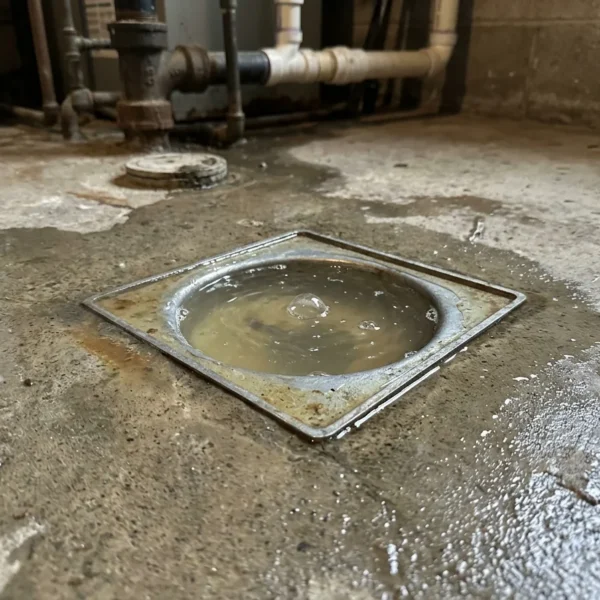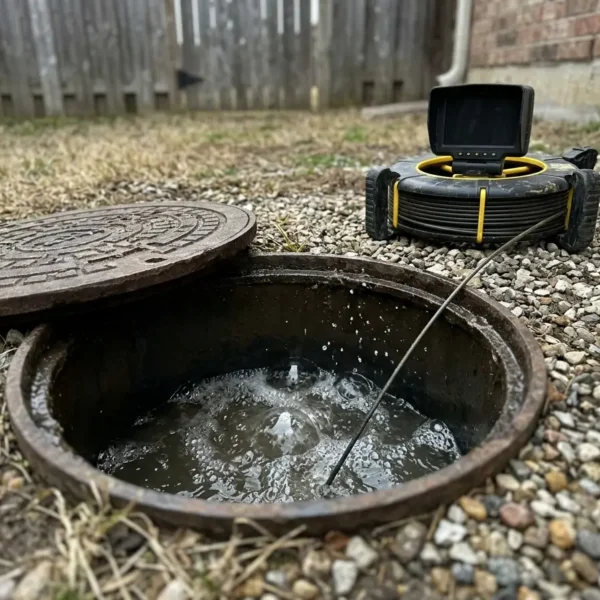
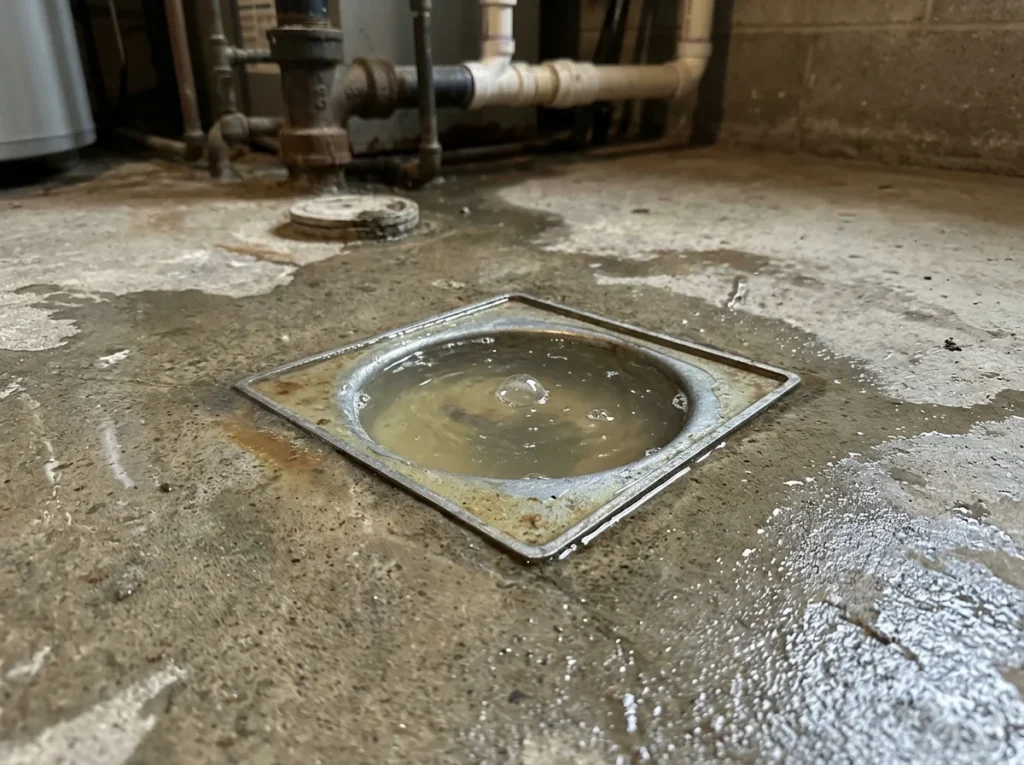
Noticing one slow drain is easy to shrug off. Noticing that the kitchen, the shower, and a bathroom drain have all gotten sluggish within the same few days is harder to ignore. Slow drains throughout the house can point to something shared by those fixtures rather than a separate clog at each one. Sewer line problems in Salt Lake City, UT, can be one possible cause of that pattern, though they are far from the only explanation. The goal here is to help you tell the difference between a routine clog and a bigger issue, understand which signs matter, and know when the scenario calls for a professional look.
One Slow Drain Is Normal. Several at the Same Time Isn’t.
All the drains of the house are connected individually. Your kitchen sink is in a different line; your bath is in a different line. All of those individual lines merge into larger branch lines and then eventually into one large main line that leads to the street or down to a septic tank. If one drain gets clogged, for example, a shower trap or kitchen line with grease, it’s just a local clog. It stays local. The toilet next door is still working well, and no one is upstairs noticing anything.
When multiple drains slow down simultaneously, it is a different story. Hair, grease & soap scum don’t all typically clog three drains at the same time. If multiple fixtures are backing up at the same time, it’s nearly always due to a section of pipe somewhere further downstream, and the trouble is likely to be there. This doesn’t imply that the sewer line is always the source of the problem. This doesn’t just mean you no longer see one bad drain; you now see a shared line, and that’s a very different repair.
What the Pattern Can Tell You (and What It Can’t)
A local clog and a shared restriction tend to leave different clues behind. Neither list below proves anything by itself, but noticing which column matches your situation is a reasonable starting point.
| More consistent with a local or branch-line clog | More consistent with a shared-line restriction |
| Only one fixture is affected | Several fixtures in different areas are affected around the same time |
| The slowdown built up gradually at that one drain | Multiple drains changed at roughly the same time |
| Clearing that drain’s trap or stopper resolves it | Clearing one drain doesn’t improve the others |
| No unusual sounds from nearby fixtures | Gurgling or rising water in another fixture when one is used |
| No odor present | A sewer-type odor near one or more drains |
Matching several items in the right column is a fair reason to have the line inspected. It still isn’t a diagnosis. Confirming what’s actually happening inside the pipe requires a drain camera inspection, and that’s not something most households have the necessary tools to do themselves.
Signs Worth Paying Attention To
A few specific signs come up repeatedly in homes dealing with a restriction that affects more than one fixture. None of them settle the question alone, but a plumber benefits from hearing about all of them together.
- More than one fixture slowing down at once. A single slow drain rarely means much. Two or three losing speeds within the same week are harder to explain away as separate coincidences.
- Gurgling when a different fixture is used. Air trapped behind a partial blockage has to go somewhere, and it often surfaces as a bubbling sound from a drain that isn’t even the one in use. These sewer line gurgling sounds can have several causes, so the pattern matters more than the noise alone.
- One fixture reacting to another. A toilet that rises when the washing machine drains, or a tub that gurgles when the sink runs, suggests those fixtures share a section of restricted pipe.
- Backups are appearing at the lowest drain in the house. Wastewater that can’t move forward often surfaces wherever it’s easiest to escape, which tends to be a basement floor drain or a low-level bathroom, although the exact layout varies by home.
- A clog that returns after clearing. If a drain slows down again within days of being cleared, the actual blockage is likely sitting further along the line rather than freshly forming at that one fixture.
- A sewer-type smell near one or more drains. Unremarkable on its own, but worth mentioning if it shows up alongside anything above.
What Can Cause a Restriction in the Line
The cause of a sewer line restriction matters because clearing the blockage does not always fix the reason it formed. Some restrictions come from buildup that can be cleared, while others are linked to damage inside the pipe.
Grease and Soap Residue
Grease and soap residue can coat the inside of a pipe over time, gradually reducing the space available for water to flow. Since the pipe itself is not damaged, professional clearing will restore normal flow without any additional work.
Tree Roots
Tree roots can enter through hairline cracks or loose joints, drawn to the moisture and nutrients a sewer line provides. Cutting the roots out can restore water flow in the short term, but the opening that allowed them inside is still there. If the crack or joint is not repaired, roots can return to the same area.
Wipes and Other Flushed Materials
Wipes and other materials that should not be flushed can catch on rough spots inside the pipe. Once something gets stuck, other debris can build up behind it and create a blockage. Clearing the material will address that particular clog. However, if the problem keeps returning, a rough or damaged section of pipe may be causing debris to catch repeatedly.
Cracked, Offset, or Sagging Pipe
A cracked or sagging section of pipe is a different type of problem. A sagging section collects standing water and waste even when there is no active blockage. The low point interrupts the downhill flow that gravity relies on to move wastewater through the line. Clearing debris from a damaged section helps for a while, but the improvement often does not last.
When to Stop and Call a Plumber
A slow drain and an active backup aren’t the same emergency, and it helps to know the difference before things get worse. If you keep running the dishwasher or showering while several drains are already struggling, you’re just adding more water to a system that can’t keep up. That’s usually what turns a slow, annoying situation into an actual backup. Instead of waiting for one obvious sign to tell you it’s time to call someone, pay attention to the trend. A problem that’s staying the same isn’t the same as one that’s clearly getting worse every day.
| Warning: Avoid using water in the house if you see waste or water backing up through a drain, tub, or toilet. Stay away from any water that’s already come up. |
A Few Things to Avoid Doing First
Chemical drain cleaners may seem like an easy first step, but they are not a solution for problems such as tree root intrusion or a damaged pipe. For an unexplained or recurring blockage, professional drain cleaning can identify the type and location of the restriction before choosing a method.
A rented heavy-duty drain snake comes with its own risks. Without knowing what is causing the restriction or what condition the pipe is in, it is possible to use too much force or fail to address the underlying problem. Repeatedly plunging one drain and then another may provide temporary relief, but when several fixtures keep slowing down, it is worth asking whether the problem is bigger than any single clog.
How a Plumber Narrows Down the Actual Cause
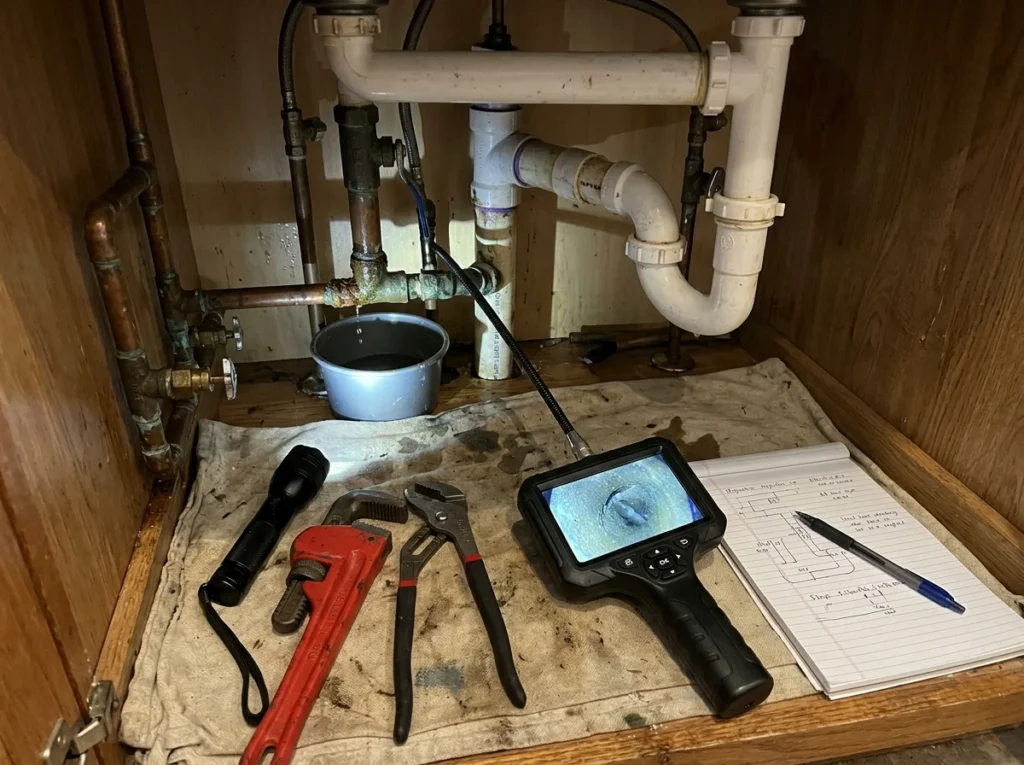
Warning signs can point in a direction, but a camera inspection is what confirms what’s happening inside the pipe. A plumber runs a small camera down the line to see exactly what’s restricting flow and roughly where it sits, whether that’s a tangle of roots or a section of pipe that’s cracked.
What comes next depends on those findings, not on assumption. Buildup or roots in a pipe usually just need clearing. A damaged section or a belly calls for repair, and the choice between a trenchless method and a more traditional dig comes down to the pipe’s condition and location. Hydro jetting fits into this picture as one option among several, well suited to scouring grease or root growth out of a structurally sound pipe, but it isn’t a standard answer for every clog. The inspection is what decides whether it’s the right tool for a given situation.
A Local Note for Salt Lake City Homes
Many of Salt Lake City’s older neighborhoods went up before clay and cast iron were replaced by newer pipe materials, and a fair number of those homes still run on their original sewer laterals. The same neighborhoods often have decades-old trees, which helps explain why root intrusion is a recurring topic in conversations about aging plumbing in the area. None of that guarantees a problem for any particular property. It simply means age and mature landscaping are common enough locally that a periodic inspection is worth considering, rather than waiting for slow drains to raise the question first.
Reducing the Chances of This Happening Again
A couple of everyday habits go a long way toward keeping a sewer line clear once it’s working properly.
- Keep grease and cooking fat out of the kitchen sink. Even small amounts accumulate over months.
- The approach wipes labeled “flushable” with some caution. Most break down far more slowly than toilet paper.
- Fit sinks and showers with strainers to catch hair and food debris before it reaches the pipe.
- Consider a periodic inspection if the home is older or sits near mature trees, rather than waiting for a slowdown to point it out.
Frequently Asked Questions
Why do several drains slow down around the same time instead of just one?
Those fixtures share the same downstream pipe. A clog isolated to a single drain only affects that one path, but a restriction in the section they all depend on can slow several drains together.
How can I tell if it’s a sewer line issue rather than separate clogs in different fixtures?
Multiple fixtures slowing close together and a drain that stays slow after clearing all lean toward a shared cause, though only a camera inspection can confirm it.
Is it safe to keep using water if only one area of the house is affected?
Usually, yes, as long as nothing else has changed. Normal water use is fine while addressing an isolated clog. If other fixtures begin reacting too, that’s the point to ease off until more is known.
Will clearing the line fix the problem for good?
That depends on the cause. Clearing grease or roots from a structurally sound pipe often resolves things completely. A crack, a joint letting roots back in, or a sagging section tends to mean clearing buys time rather than delivering a permanent fix.
How often should an older home have its sewer line inspected?
No single schedule fits every property, but homes with original clay or cast-iron lines, or large trees near the sewer path, are generally good candidates for periodic camera inspection instead of waiting for symptoms to appear.
Find Out What’s Causing Your Slow Drains
When several drains throughout your house start slowing down at the same time, it is worth looking beyond the individual fixtures. The problem may be somewhere in the shared drainage system, including the sewer line, but the signs alone cannot tell you exactly where the restriction is. A proper inspection can help find the cause and show whether you are dealing with a simple clog or a larger line problem.
At Acme Sewer & Drain Cleaning, we check sewer lines and look for the cause of recurring or widespread drainage problems. Once we know what is happening, we can explain the problem with the line and what should be done next.
If slow drains are affecting multiple areas of your Salt Lake City home, contact Acme Sewer & Drain Cleaning to have the problem checked by a professional.