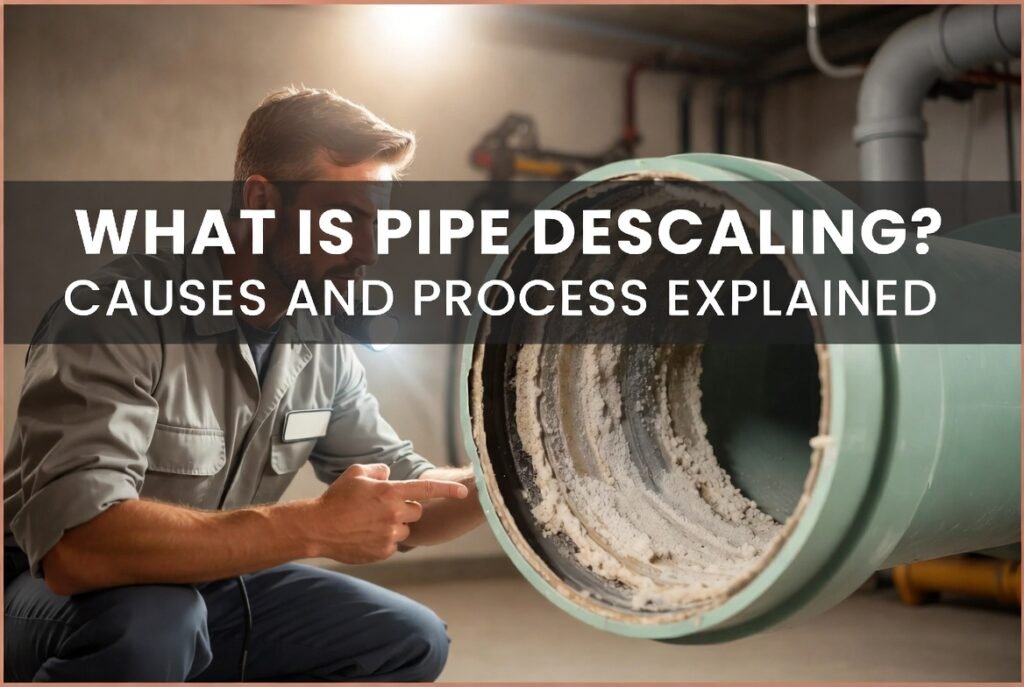
Pipe descaling is the process of removing hardened mineral deposits, rust, and debris from the inside of your plumbing lines. This essential plumbing maintenance service restores normal water flow, prevents severe blockages, and extends the lifespan of aging cast iron pipes before they require expensive replacement.
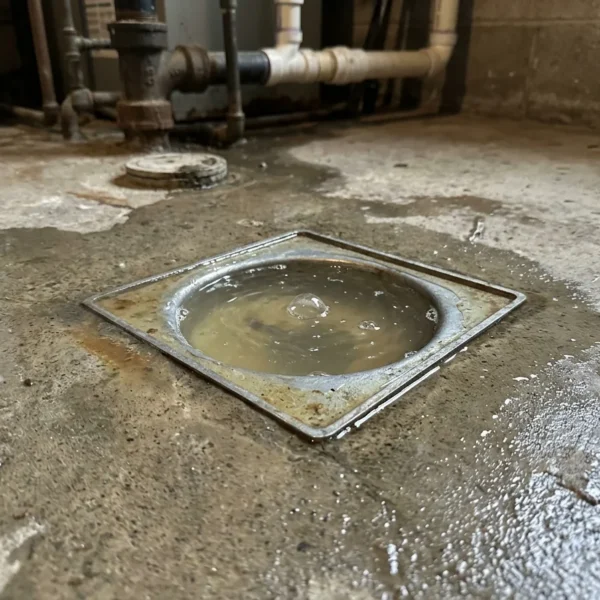
Dealing with slow drains and strange plumbing noises creates a highly frustrating experience for most homeowners today. You might plunge your bathroom sink repeatedly, but the dirty water still barely drains away. The hidden problem often lives deep inside your plumbing system where thick mineral layers choke the water lines.
Over time, these rough deposits catch grease and debris to form massive blockages that completely stop your water flow. Understanding what is descaling and how the descaling process works helps you protect your home from major water damage. Clean pipes run smoothly and keep your daily household routines completely stress-free.
What is pipe descaling and how does it work?
Pipe descaling involves scrubbing the inner walls of your plumbing lines to remove hard mineral buildup and rust. Professional plumbers use specialized tools to scrape away these thick deposits without damaging the underlying pipe material. This service restores the original diameter of your plumbing lines for optimal water flow.
How does pipe scale buildup form inside plumbing lines?
Pipe scale buildup happens when dissolved minerals in your water supply stick to the inner walls of your pipes. Magnesium and calcium create hard chalky layers that slowly thicken over several years of regular water usage. These mineral deposits create rough surfaces that easily catch passing toilet paper and grease.
What is the difference between pipe descaling and regular drain cleaning?
Regular drain cleaning simply punches a small hole through soft blockages like hair clumps and loose organic matter. The descaling process specifically targets the hardened mineral walls and heavy rust scaling that regular snakes leave behind. Descaling sewer pipe lines requires industrial-strength equipment to grind away these concrete-like mineral layers.
What are the most common causes of pipe scale buildup?
Several distinct factors cause thick scale to form inside your residential plumbing service lines over long periods. Identifying these common causes helps you take preventative action before your pipes become completely blocked by hard minerals.
How do hard water mineral deposits affect your pipes?
Hard water contains extremely high levels of dissolved calcium and magnesium that naturally separate from the water. These minerals cling to the interior walls of your pipes and harden into a substance similar to solid rock. This continuous mineral accumulation slowly chokes off your water supply and drainage capacity.
Why does cast iron pipe descaling target rust accumulation?
Older homes frequently feature cast iron plumbing lines that naturally rust and corrode after decades of daily use. Cast iron pipe descaling safely removes these jagged rust flakes before they collapse inward and block the drain. Removing this dangerous rust extends the functional life of your expensive vintage plumbing lines.
How do grease, soap, and debris speed up the buildup?
Cooking grease and sticky soap scum cling directly to the rough mineral deposits lining your dirty plumbing pipes. This sticky sludge acts like strong glue that catches passing food particles, hair, and solid waste materials. The resulting combination forms massive blockages that require a professional commercial drain cleaning intervention.
What are the obvious signs your pipes need descaling?
Your plumbing system will usually give you several warning signs before a complete pipe blockage ruins your day. Recognizing these early symptoms allows you to schedule a professional pipe descaling service before sewage backs up into your home.
Why do you have slow drains and reduced water flow?
When thick scale buildup reduces the internal diameter of your pipes, water simply cannot flow through them quickly. You will notice that your sinks and bathtubs take significantly longer to empty after everyday routine washing. This restricted water flow indicates that you urgently need professional pipe scale removal.
What causes frequent clogs and sewage backups in your home?
Rough mineral deposits catch small amounts of daily waste until a massive clog completely blocks the entire pipe. If you find yourself constantly plunging the same toilet, scale buildup is likely the primary underlying culprit. Frequent backups mean the descaling sewer pipe process is completely necessary for your home.
Why do your plumbing pipes make unusual gurgling noises?
Trapped air bubbles struggle to move past heavy mineral blockages, which creates loud gurgling sounds inside your walls. You might hear strange bubbling noises coming from your toilet bowl immediately after you drain the bathroom sink. These distinct sounds signal that your plumbing system requires an immediate pipe restoration service.
How does the professional pipe descaling process actually work?
A licensed plumber follows a strict procedural checklist to ensure your pipes get cleaned safely and effectively. This detailed process guarantees that all hard scale disappears without causing any accidental damage to your fragile plumbing.
Why do plumbers perform an initial pipe inspection first?
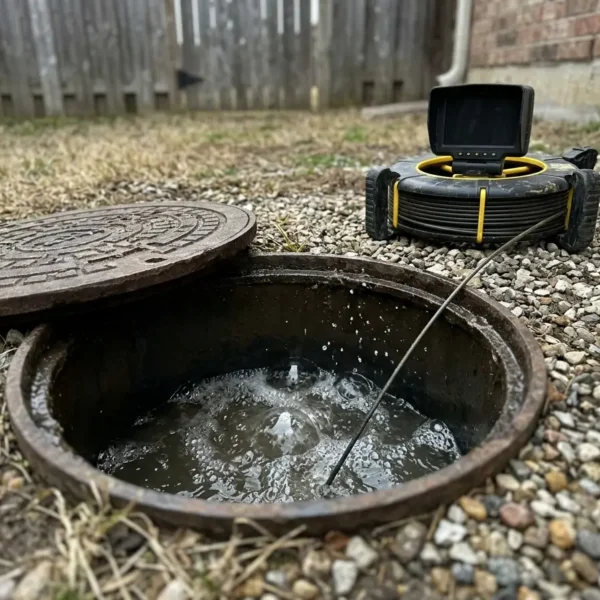
Professionals always push a specialized waterproof camera deep into your plumbing lines to evaluate the internal pipe condition. This visual assessment reveals the exact location and severity of the mineral deposits blocking your daily water flow. The camera inspection helps the plumber choose the safest descaling method for your specific situation.
How do mechanical descaling tools clean the pipe walls?
Plumbers often use a specialized chain knocker tool that spins rapidly against the inner walls of your pipe. The spinning metal chains safely chip away hard rust and mineral scale without breaking the underlying pipe structure. This mechanical grinding action completely pulverizes the blockages into tiny pieces that easily wash away.
Why is final cleaning and system testing so important?
After grinding the scale away, the plumber flushes the entire plumbing line to remove all lingering mineral dust. A final camera inspection verifies that the pipe walls are completely smooth and totally free of dangerous obstructions. The technician then runs large volumes of water to confirm your drainage flows perfectly again.
What are the best methods for safe pipe descaling?
Plumbing experts utilize several different techniques to clear mineral buildup depending on the age and condition of your pipes. Choosing the correct technique ensures that your pipes get thoroughly cleaned without suffering any structural damage.
How does a chain knocker remove hard pipe scale?
The chain knocker machine uses centrifugal force to spin heavy chains against the hard mineral layers inside pipes. This aggressive scraping action easily destroys heavy rust deposits found during standard cast iron pipe descaling jobs. The chains safely adapt to the exact diameter of the pipe to provide a comprehensive cleaning.
Why is hydro jetting an effective pipe scale removal tool?
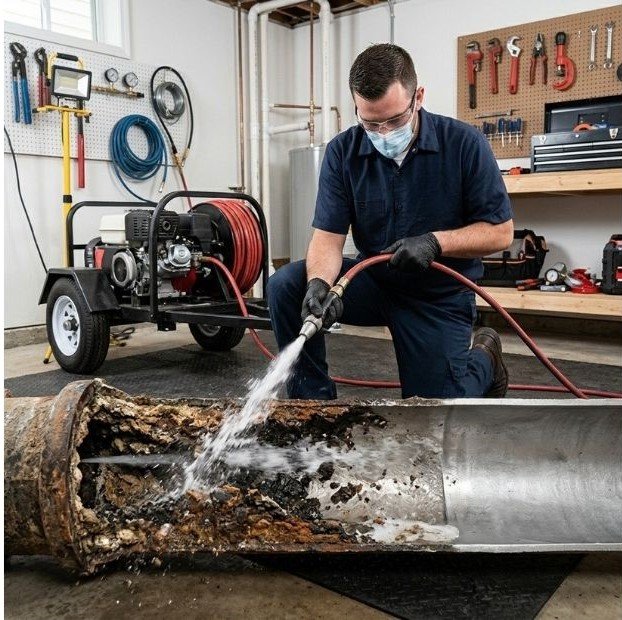
Hydro jetting blasts highly pressurized water streams through your plumbing lines to cut through hard mineral scale buildup. This powerful water pressure slices through thick grease blockages and leaves your pipe walls looking completely brand new. Acme Sewer & Drain Cleaning specializes in delivering this highly effective hydro jetting service.
When do plumbers use chemical descaling solutions instead?
Certain fragile plumbing systems cannot withstand the intense physical pressure of heavy mechanical grinding or high-pressure hydro jetting. In these rare cases, plumbers circulate safe descaling acids through the pipes to gently dissolve the calcium buildup. These professional-grade chemicals melt the minerals away without harming the actual plumbing pipe material.
What are the main benefits of professional pipe descaling?
Investing in professional pipe descaling provides your home with numerous long-term advantages that save you significant money. Keeping your pipes totally clean prevents sudden plumbing disasters that ruin your floors and damage your property.
How does descaling provide improved water flow and drainage?
Scraping away thick layers of mineral scale restores the original intended diameter of your residential plumbing lines. Your wastewater will immediately flow rapidly down the drain without pooling around your ankles during your morning shower. This improved drainage capacity makes your daily household chores much easier and far less stressful.
How does regular maintenance extend your plumbing system lifespan?
Heavy rust and hard minerals slowly eat away at the structural integrity of your expensive home plumbing system. Removing these damaging deposits stops the corrosion process and prevents old cast iron pipes from cracking completely open. Descaling can easily add several decades of functional life to your existing home plumbing infrastructure.
Why does descaling reduce the risk of future blockages?
Smooth pipe walls cannot catch sticky grease, loose hair, or passing toilet paper as easily as rough scale. By completely eliminating the rough mineral surfaces, you stop future clogs from forming inside your main sewer line. This proactive maintenance significantly reduces your need for emergency plumbing interventions down the road.
Make your next move with Acme Sewer & Drain Cleaning
Ignoring slow drains and gurgling pipes only leads to massive sewage backups and incredibly expensive home water damage. You need a professional team that understands how to safely eliminate heavy pipe scale from your delicate plumbing.
Acme Sewer & Drain Cleaning proudly provides expert hydro jetting and comprehensive sewer line descaling across Salt Lake, Davis, Tooele, and Summit Counties. Contact us today to schedule your professional pipe descaling service and restore your plumbing to perfect working condition.
FAQs
What is the purpose of pipe descaling?
Pipe descaling serves to remove hardened minerals and thick rust from the interior walls of your plumbing lines. This vital process restores your water flow and prevents serious clogs from destroying your plumbing system.
How do I know if my pipes need descaling?
You likely need descaling if you constantly experience slow-moving drains, frequent toilet backups, and strange gurgling plumbing noises. A professional camera inspection will easily confirm the presence of heavy mineral scale inside your pipes.
Is pipe descaling the same as drain cleaning?
Regular drain cleaning simply clears soft blockages like hair and grease using a standard mechanical plumbing snake tool. Descaling specifically grinds away the concrete-like hard mineral deposits and heavy rust that regular cleaning tools leave behind.
How often should plumbing pipes be descaled?
Most older residential homes greatly benefit from professional pipe descaling services at least once every three to five years. Homes with extremely hard water may require this specialized maintenance more frequently to prevent serious plumbing damage.