Busy kitchens create a lot of grease every day. When grease goes down the drain, it can stick inside pipes and cause serious plumbing problems. Slow drains, bad smells, and sewer backups often start because grease builds up over time. Many restaurant owners do not notice the problem until the drains stop working.
That is why every commercial kitchen needs a grease trap. Understanding what is a grease trap and how it works can help business owners avoid costly repairs, drain blockages, and plumbing emergencies. Regular cleaning also keeps kitchens safe, clean, and up to code.
What Is a Grease Trap?
A grease trap is a plumbing device that stops fats, oils, and grease from entering the sewer line. Restaurants, cafes, hotels, and food service businesses install grease traps to protect their plumbing systems.
The grease trap slows down dirty water from sinks and dishwashers. As the water sits inside the trap, grease floats to the top while food waste sinks to the bottom. Cleaner water then flows out into the sewer system.
Without a grease trap, grease can block pipes and damage the plumbing system.
Why Restaurants Need a Grease Trap
Commercial kitchens use large amounts of oil and grease every day. Even small amounts of grease can build up inside pipes over time.
A restaurant grease trap helps prevent:
- Drain clogs
- Sewer backups
- Bad kitchen odors
- Expensive plumbing repairs
- Health code violations
A clean grease trap also helps kitchens run smoothly without plumbing problems slowing down business.
How Does a Grease Trap Work?
A grease trap works by separating grease from wastewater before it enters the sewer line.
Step-by-Step Process
Here is how the system works:
- Dirty water flows into the grease trap
- Grease and oil float to the top
- Food particles sink to the bottom
- Cleaner water exits through the outlet pipe
Over time, grease collects inside the trap. If nobody cleans it, the trap fills up and stops working properly.
Types of Grease Traps
Different kitchens use different grease trap systems depending on their size and cooking volume.
Small Grease Traps
Small grease traps usually sit under sinks or near dishwashing stations. Small restaurants and cafes often use these systems.
Grease Interceptors
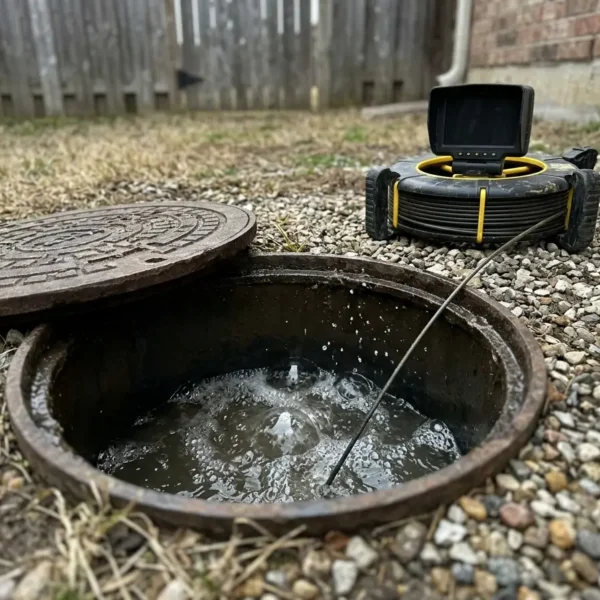
Large kitchens use grease interceptors. These systems are bigger and usually sit underground outside the building. High-volume kitchens need regular grease interceptor cleaning to keep them working correctly.
Why Grease Trap Cleaning Matters
Grease traps cannot clean themselves. Over time, grease and food waste fill the trap and block water flow.
Regular grease trap cleaning helps businesses avoid major plumbing problems. It also protects the sewer system from grease buildup.
Professional cleaning helps prevent:
- Overflowing drains
- Pipe blockages
- Strong odors
- Pest problems
- Emergency plumbing repairs
Routine cleaning saves money and reduces the chance of business shutdowns.
Signs Your Grease Trap Needs Cleaning
Grease traps usually show warning signs before they fail completely.
Slow Drains
If sinks or floor drains empty slowly, grease may already block the trap or pipes.
Bad Smells
Strong smells near drains or sinks often mean grease and food waste have built up inside the trap.
Overflow Problems
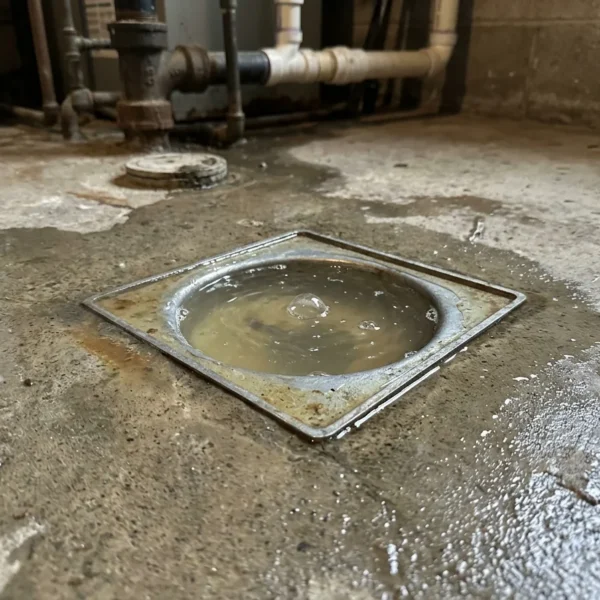
Grease or dirty water around the trap area shows the system is too full.
Frequent Drain Backups
Repeated clogs often point to poor grease trap maintenance instead of a simple drain problem.
How Professional Grease Trap Cleaning Works
Professional plumbers follow several steps to clean the entire system properly.
Inspection
The plumber checks the trap and measures grease buildup inside the tank.
Pumping the Waste
The technician removes grease, dirty water, and food waste using special vacuum equipment.
Cleaning the Inside
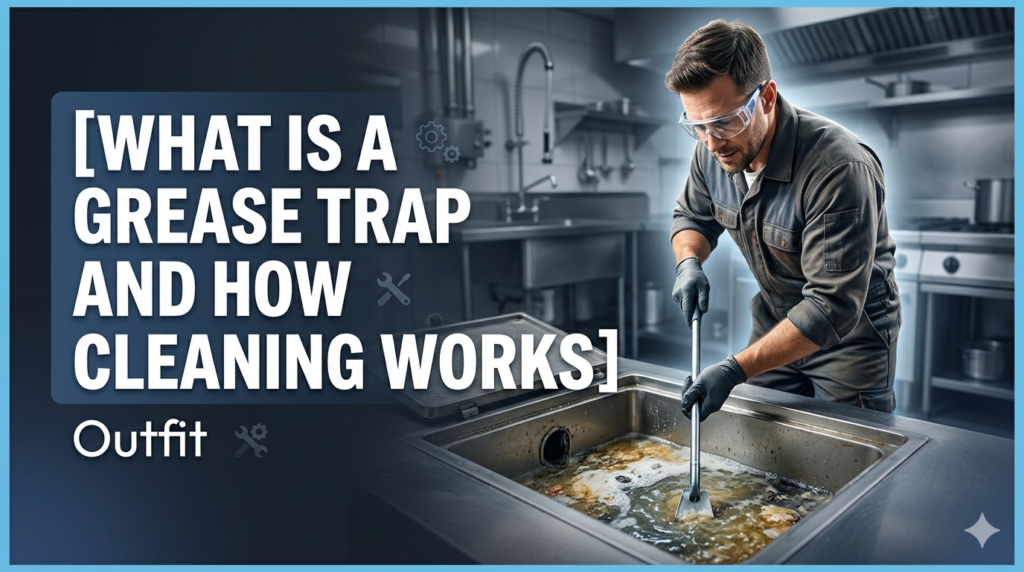
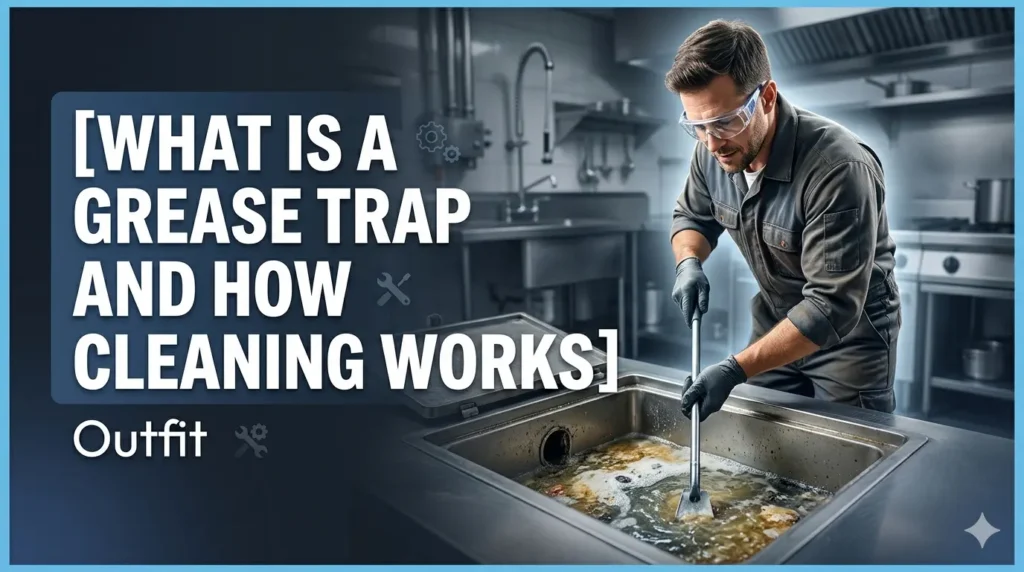
The plumber scrapes grease from the walls, baffles, and other parts inside the trap.
Checking the Pipes
The technician checks the inlet and outlet pipes for blockages or damage.
Proper Waste Disposal
The company safely disposes of the collected grease and waste according to local rules.
Professional grease interceptor cleaning removes all buildup and restores proper flow.
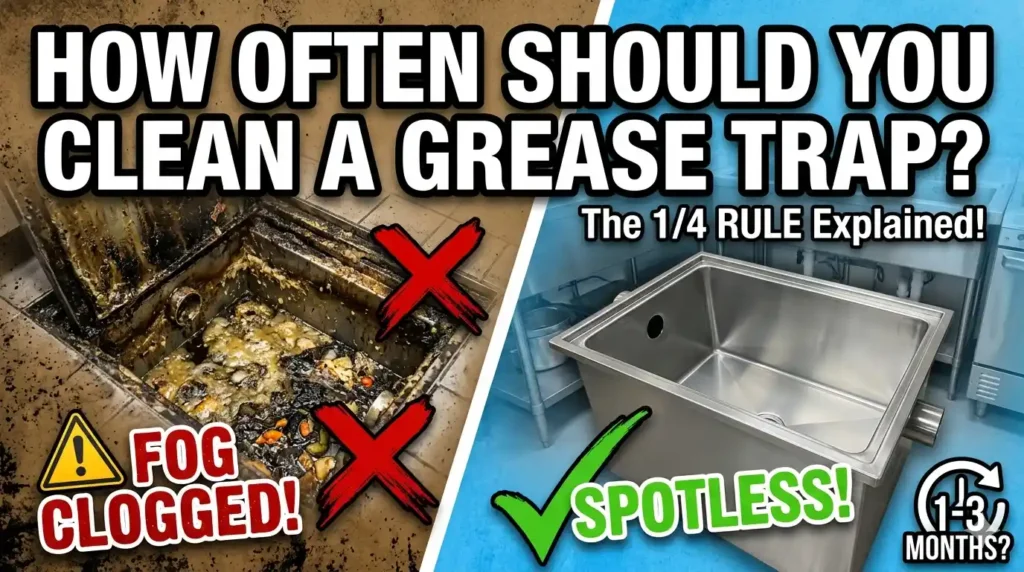
How Often Should You Clean a Grease Trap?
Cleaning schedules depend on the size of the kitchen and how much grease the business produces.
Many restaurants need cleaning every one to three months. Busy kitchens may need service more often.
Factors that affect cleaning frequency include:
- Amount of cooking grease
- Kitchen size
- Number of sinks
- Food preparation volume
- Local plumbing rules
Regular grease trap maintenance helps prevent expensive plumbing emergencies.
Problems Caused by Dirty Grease Traps
Ignoring grease trap cleaning can create serious problems for a business.
Sewer Line Blockages
Grease hardens inside pipes and blocks water flow.
Health Code Violations
Overflowing grease traps can lead to failed inspections and fines.
Expensive Repairs
Blocked pipes and sewer backups often require costly emergency plumbing work.
Business Interruptions
A plumbing backup can force a kitchen to stop operating until repairs are complete.
Regular maintenance helps businesses avoid these problems.
Tips to Reduce Grease Buildup
Kitchen staff can help keep grease traps cleaner between professional services.
Do Not Pour Grease Down the Drain
Collect used cooking oil in containers instead of washing it into sinks.
Throw Food Waste in the Trash
Scrape plates and cookware before washing them.
Schedule Regular Cleaning
Do not wait for plumbing problems before calling for service.
Use Professional Hydro Jetting
Hydro jetting removes heavy grease buildup inside drain and sewer lines.
Good habits and regular maintenance help extend the life of the plumbing system.
Why Professional Cleaning Is Better
Some businesses try to clean grease traps themselves, but they often leave grease behind. Incomplete cleaning can still lead to plumbing problems.
Professional plumbers use the right equipment to clean the entire system safely and completely. They also check for hidden issues like damaged pipes or blocked sewer lines.
Experienced technicians can spot problems early before they turn into expensive repairs.
Keep Your Kitchen Plumbing Safe
A clean grease trap protects your pipes, prevents backups, and keeps your kitchen running smoothly. Regular service also helps businesses stay compliant with local plumbing and health regulations.
If your drains smell bad, drain slowly, or back up often, it may be time for professional grease trap cleaning. ACME Sewer & Drain Cleaning provides reliable grease trap cleaning, drain cleaning, hydro jetting, sewer inspections, and emergency plumbing services for commercial kitchens and businesses throughout the Wasatch Front.
FAQs
What is a grease trap?
A grease trap is a plumbing device that separates grease, oils, and food waste from wastewater before it enters the sewer line.
How often should a grease trap be cleaned?
Most commercial kitchens should clean grease traps every one to three months depending on grease usage.
What happens if a grease trap gets full?
A full grease trap can cause slow drains, bad smells, sewer backups, and plumbing damage.
Can grease traps prevent drain clogs?
Yes. Grease traps stop fats, oils, and grease from building up inside plumbing pipes.
What is the difference between a grease trap and a grease interceptor?
A grease trap is usually smaller and installed indoors, while a grease interceptor is larger and often installed underground outside the building.