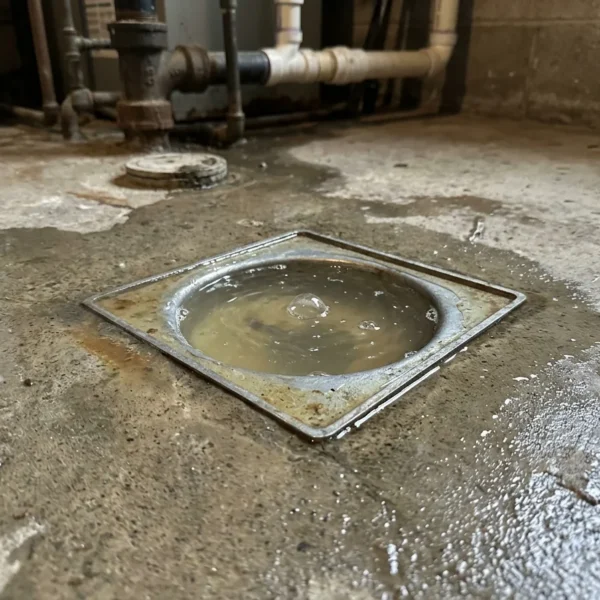

You walk downstairs to grab something from the basement. Your foot hits the wet carpet. That smell hits you next—raw sewage creeping up through your floor drain. Your heart sinks because you know this is not a quick fix. This is the moment every homeowner dreads, and it always happens at the worst possible time. A sewer backup in basement spaces can ruin belongings, damage your foundation, and create serious health hazards that demand immediate attention.
Most people ignore their basement floor drain until it is too late. They assume it works fine because it sits quietly in the corner. Then heavy rain hits, or the main line clogs, and suddenly water is everywhere. Understanding what causes these backups—and knowing who to call—can save you thousands in water damage restoration and weeks of stress. Let us walk through what you need to know.
Why Basement Drains Back Up
Your basement drain connects directly to your home’s main drainage system. When that system fails, your lowest point becomes the escape route for wastewater. Gravity pulls everything downward, which means your basement takes the hit first.
Common Causes of Floor Drain Backing Up
- Tree Roots: Roots are a leading culprit in older neighborhoods across Salt Lake and Davis Counties. Roots hunt for moisture and slip into tiny cracks in sewer lines. Over months, they form dense blockages that stop flow completely.
- Grease Buildup: This causes similar problems, especially in homes with kitchen drains tied into the same line. That bacon fat you poured down the sink solidifies in cool pipes underground.
- Heavy Rainfall: Overwhelms municipal sewer systems in Summit and Tooele Counties. When city lines reach capacity, water reverses direction through your home’s connection.
- Aging Pipes: Aging clay pipes collapse or shift with Utah’s freeze-thaw cycles, creating physical barriers that no plunger will fix.
Signs Your Drain Is in Trouble
- Gurgling Sounds: From your floor drain after flushing a toilet signal air trapped by a partial blockage.
- Slow Drainage: Across multiple fixtures means the clog sits deep in your main line.
- Foul Odors: Rising from the basement indicate stagnant water or sewage pooling underground.
If you spot any of these warning signs, a basement drain clog is already forming.
What to Do When Your Basement Drain Fails
The first step is to stop water use throughout your home. Every drain or flush increases the pressure on an unreachable system with nowhere to go. Then, determine whether the backup is clean water or sewage. Clear water from heavy rain has distinct risks than raw sewage, but both require expert plumbers for emergency services.
Immediate Steps to Minimize Damage
- Remove Furniture: Get furniture, boxes, and electronic devices out of the wet areas as quickly as possible.
- Ventilate the Area: Open windows to let air circulate and prevent dangerous gas accumulation.
- Check the Sump Pump: Make sure it’s working properly.
- Avoid Chemical Drain Cleaners: Do not pour store-bought drain cleaners into a backed-up drain as they can damage pipes and make professional cleaning more difficult.
How Professionals Handle Emergency Drain Service
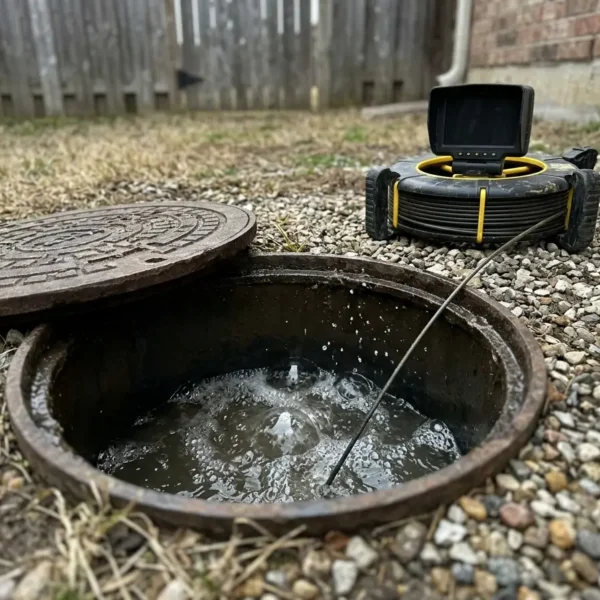
Real solutions need to be properly diagnosed before any work begins. At Acme Sewer and Drain Cleaning Service, we begin by conducting a video camera inspection to pinpoint the exact issue inside your pipes. This reduces unnecessary excavation or pipe replacement.
Hydro Jetting for Tough Basement Clogs
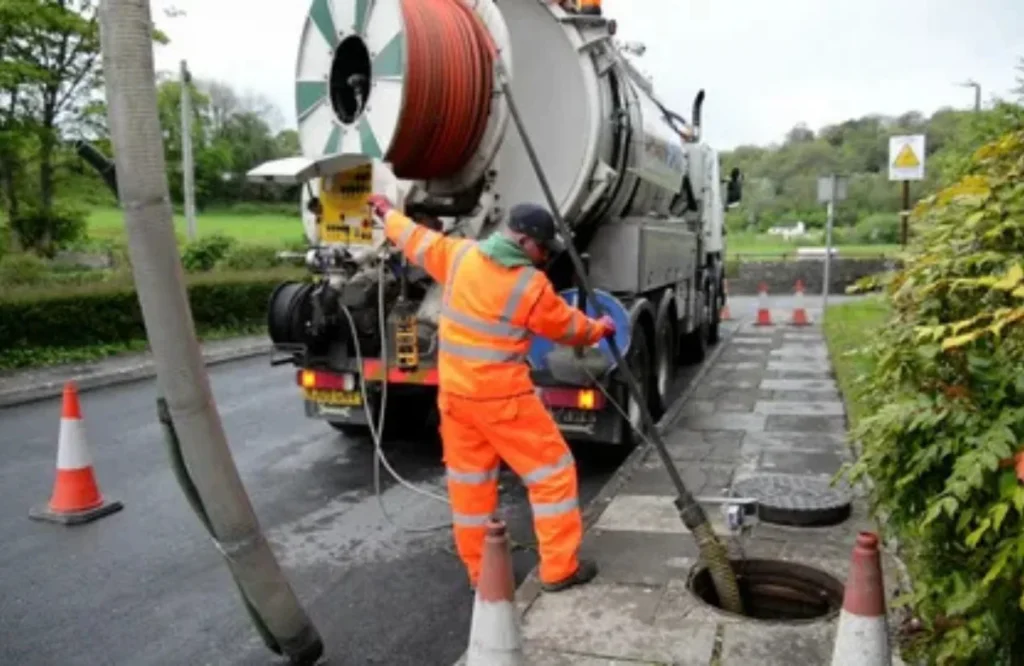
- How It Works: Water streams with up to 4,500 PSI blast obstructions, scrubbing pipe walls without causing damage.
- Benefits: Unlike snaking, which only creates more clogs, hydro jetting eliminates accumulations completely.
Main Line Jetting and Grease Line Jetting
- Main Line Jetting: Clears the primary sewer connection from your home to the municipal tap.
- Grease Line Jetting: Targets kitchen waste that hardens in lateral pipes.
For commercial properties with frequent issues, scheduled jetting maintains flow before emergencies develop.
When Sewer Line Repair Becomes Necessary
Sometimes hydro jetting reveals cracks, bellies, or collapsed sections that water alone cannot fix. In these cases, sewer line repair or replacement stops recurring backups permanently. Trenchless methods minimize yard disruption while restoring structural integrity.
Preventing Future Basement Drain Problems
Prevention costs far less than emergency response. Smart homeowners across Utah’s drain cleaning market take proactive steps to protect their lowest level.
Simple Maintenance Habits
- Install Backflow Prevention Devices: On your main sewer line to prevent sewage from entering your basement.
- Test Your Sump Pump: Every spring before runoff season to make sure it’s working properly.
- Keep Drains Clear: Remove debris, paint, and construction materials that could clog your drains.
Landscape and Exterior Checks
- Downspouts: Verify that they direct roof water at least six feet from your foundation.
- Tree Trimming: Trim trees near sewer lines every few years to slow root intrusion.
- Sewer Cleanout Location: Know where it is located to allow quick access during emergencies.
Why Acme Sewer & Drain Cleaning Handles Utah Basement Emergencies
Basement flooding does not wait for business hours. Acme Sewer & Drain Cleaning
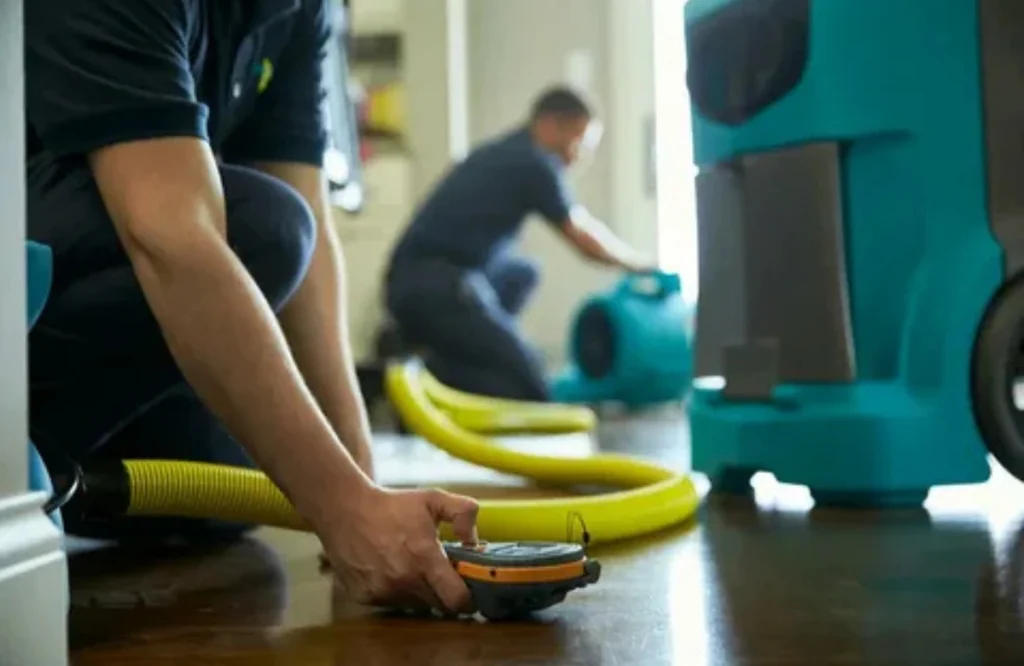
provides emergency drain service across Salt Lake, Utah, Davis, Tooele, and Summit Counties with fully equipped trucks ready for any scenario. We bring hydro jetting rigs, camera systems, and specialized clog removal tools to every job.
Our technicians understand local soil conditions, municipal sewer layouts, and the specific challenges Utah homes face. Whether you need immediate backup response or want to install waterproofing solutions before the next storm, we treat your home like our own. No vague estimates, no pressure—just honest work from people who know drainage systems inside and out.
Frequently Asked Questions
How fast can you respond to a sewer backup in basement emergencies?
We prioritize emergency calls and typically arrive within hours across our service counties. Our trucks carry hydro jetting and camera equipment so we start diagnosing immediately upon arrival.
Is hydro jetting safe for old basement pipes?
Yes, when performed by trained technicians. We adjust water pressure based on pipe age and material. Camera inspection beforehand confirms your line can handle the process safely.
Can I use a shop vacuum to clean up sewage from my floor drain?
We do not recommend it. Sewage contains harmful pathogens that require proper protective equipment and sanitization. Professional water damage restoration teams handle cleanup safely and thoroughly.
Why does my basement drain back up only during heavy rain?
This usually indicates a municipal sewer surcharge or a failing backflow prevention device. Our inspection identifies whether the problem sits on your property or the city line.
How often should I schedule basement drain cleaning?
Most homes benefit from professional cleaning every 12 to 18 months. Homes with large trees nearby or frequent grease disposal may need service every 6 to 12 months for optimal flow.