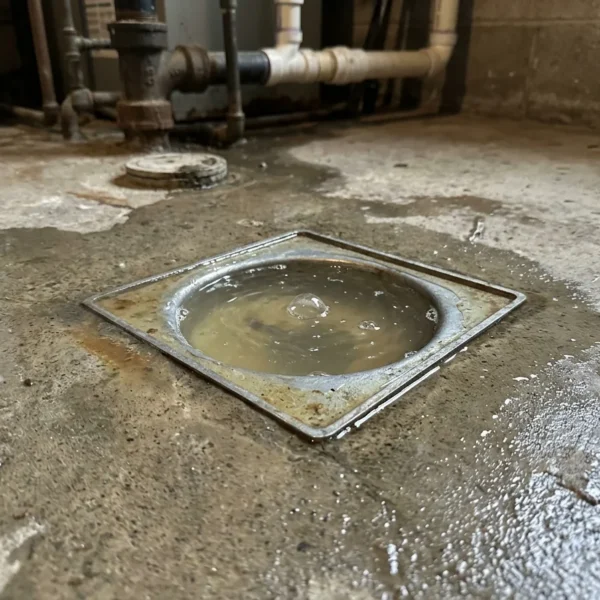
Your drains slow down again. Water backs up in the shower. That rotten egg smell creeps from the sink. If your house is 50 years old or more, cast iron pipes are likely the problem. These old pipes collect rust, scale, and grease on the inside walls. The buildup gets thicker every year until flow stops completely.
Cast iron pipe descaling solves the problem without replacing your whole sewer line. It removes the gunk and restores proper flow, improving drainage for years and reducing emergency calls.
What Causes Scale and Rust in Cast Iron Pipes
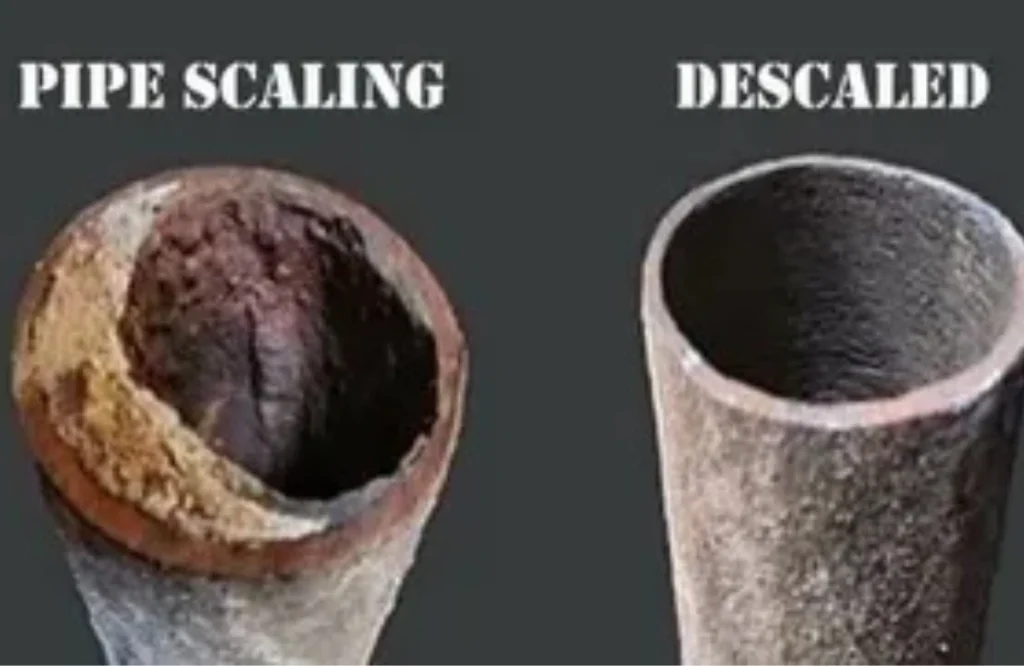
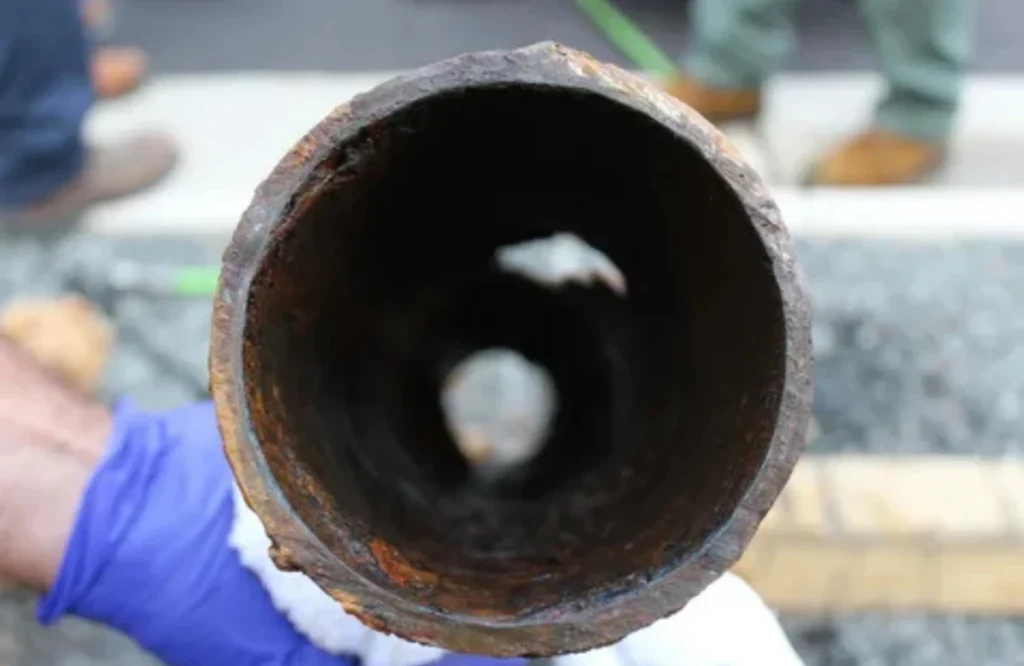
Scale forms over decades as water minerals, grease, and rust interact inside cast iron pipes. Hard water leaves behind calcium and magnesium deposits. Kitchen grease sticks to the rough interior surface. Tree roots can enter through small cracks and worsen the blockage.
Over time, rust flakes off the pipe walls and mixes with debris, creating a thick hardened layer that restricts water flow. Simple flushing cannot remove this deep buildup.
Signs That Your Pipes Need Descaling
Slow and Inconsistent Drainage
Drains that gradually slow over time are a strong sign of internal scaling buildup.
Gurgling and Air Blockages
Gurgling toilets and bubbling sinks indicate trapped air caused by partial obstructions.
Sewer Odors and Backups
Sewer gas smells near drains and simultaneous backups across fixtures often point to a main line issue.
Failed DIY Fixes
If plungers and chemical cleaners stop working, the problem is likely deep inside the pipe.
Essential Tools for Cast Iron Pipe Descaling
Professional Descaling Equipment
Technicians use specialized cast iron pipe descalers with rotating chains or cutters to remove hardened buildup without damaging the pipe.
High-Torque Flex Shafts
These tools travel deep into sewer lines and break apart scale and rust efficiently.
Hydro Jetting Systems
High-pressure water jetting flushes out loosened debris and restores full pipe diameter.
Mechanical Pipe Descaling Equipment That Works
Chain knockers and carbide cutters break through heavy rust layers quickly. Rotating brushes smooth out the pipe interior after scraping. Combined with hydro jetting services, this creates a full internal pipe restoration.
This combination of mechanical cutting and high-pressure flushing delivers far better results than chemical treatments or snaking alone.
Cast Iron Pipe Descaling Tool Rental Options
DIY Equipment Availability
Homeowners can rent augers, cutter heads, and flex-shaft machines from tool rental shops for short-term use.
Rental Costs
Expect daily rental costs between $100 and $300, plus deposits and additional tool fees.
Limitations of DIY Rentals
While rentals can handle minor buildup, most users struggle with deep scaling. Results are often temporary, and improper use can damage old pipes.
Should You Try DIY Cast Iron Pipe Descaling?
DIY descaling may work for light surface buildup near accessible areas. However, a deeper or hardened scale requires professional tools and experience.
Improper handling can crack old cast iron pipes or push debris further into the system, creating bigger blockages. Most homeowners eventually require professional intervention.
How Professionals Handle Cast Iron Pipe Descaling
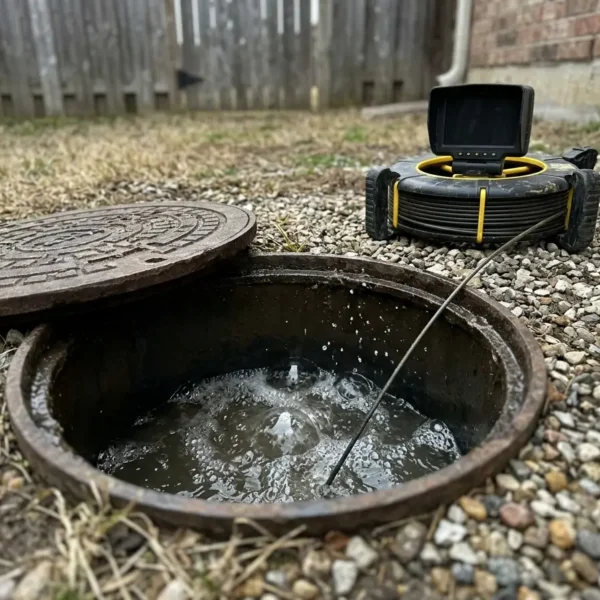
Step 1: Video Camera Inspection
Technicians inspect the pipe interior to locate scale buildup and assess pipe condition.
Step 2: Mechanical Descaling
Specialized tools scrape and break down hardened deposits inside the pipe walls.
Step 3: Hydro Jet Cleaning
High-pressure water removes all remaining debris and restores full pipe flow capacity.
This process ensures a complete reset of the drainage system rather than a temporary fix.
Cast Iron Pipe Descaling Cost Breakdown
Typical Price Range
Most residential descaling jobs cost between $300 and $1,200 depending on severity.
Inspection Costs
Camera inspections may add $200 to $400 if not included in the service package.
What Affects Pricing
Pipe length, access difficulty, and level of buildup are the biggest cost factors.
Factors That Change the Final Bill
Pipe Accessibility
Cleanouts located under concrete or hard-to-reach areas increase labor time.
Severity of Scaling
Heavily corroded or long-neglected pipes require more intensive cleaning.
Location and Demand
Service areas like Salt Lake, Davis, Tooele, and Summit Counties may see slight seasonal pricing changes.
Smart Tips to Keep Pipes Clear Longer
Avoid pouring grease or oil down drains. Flush kitchen lines with hot water weekly to reduce buildup. Install grease traps for heavy-use kitchens.
Schedule periodic hydro jetting and camera inspections to catch issues early. Preventive maintenance significantly extends pipe lifespan.
Why Hydro Jetting Makes the Biggest Difference
Hydro jetting removes grease, rust, and scale in one complete cleaning cycle. The high-pressure water cleans the entire pipe wall, not just a pathway through the clog.
This method improves long-term flow and helps slow further corrosion. It is one of the most effective ways to extend the life of cast iron plumbing systems.
Ready to Restore Your Sewer Main Lines
Don’t wait for complete blockages or backups. Professional cast iron pipe descaling restores flow and prevents costly replacements.
Acme Sewer & Drain Cleaning provides expert descaling and hydro jetting services across Salt Lake, Utah, Davis, Tooele, and Summit Counties. Their team uses advanced inspection and cleaning tools to deliver long-lasting results.
FAQs
How long does cast iron pipe descaling last?
Results typically last 5–10 years depending on usage and maintenance habits.
Is cast iron pipe descaling safe for old pipes?
Yes, when performed by professionals using inspection tools and controlled equipment.
Can chemicals clean cast iron pipe buildup?
Chemical cleaners only treat surface issues and cannot remove deep scales effectively.
What is better: snaking or hydro jetting?
Snaking clears a path through clogs, while hydro jetting fully cleans pipe walls and removes buildup.
How often should descaling be done?
Most homes benefit from service every 3–5 years, depending on pipe condition and usage.