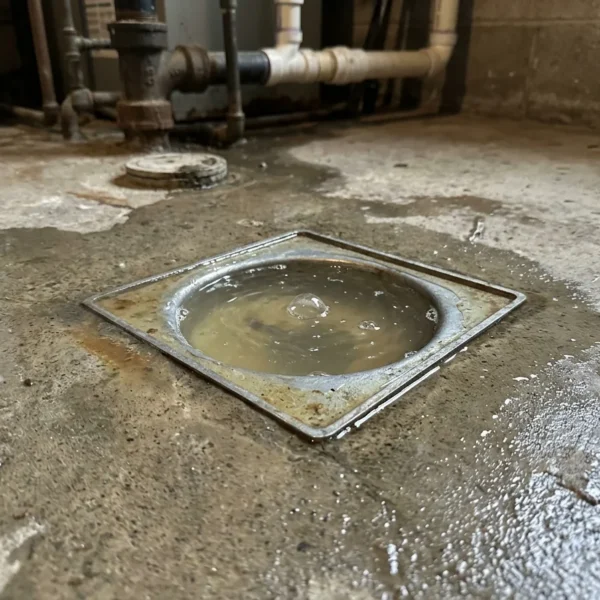

Everyone doesn’t want to deal with a sewer backup during a normal day at home. Yet many homeowners face sudden clogs, bad odors, or expensive repairs simply because they never checked what’s happening underground. A sewer scope inspection changes that completely.
This simple process uses a sewer line camera to show exactly what’s inside your pipes without digging up your yard. For homeowners in Salt Lake, Davis, Tooele, and Summit Counties, it helps prevent emergencies and brings clarity to hidden plumbing issues.
What Is a Sewer Scope Inspection?
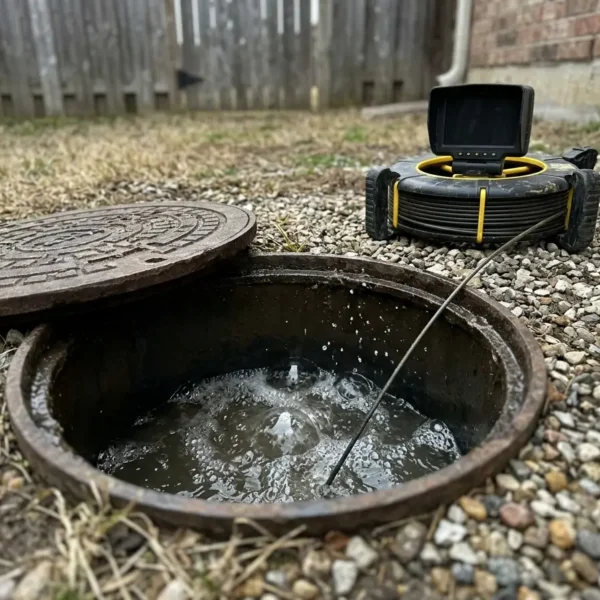
A sewer scope inspection involves inserting a small waterproof camera into your sewer line. A technician watches a live video feed as the camera travels through the pipe, revealing its actual condition in real time.
This video pipe inspection can identify cracks, root intrusion, grease buildup, collapsed sections, and misaligned joints. Instead of guessing why drains are slow, you get direct visual proof of what’s happening underground.
The inspection is recorded, so you can review the footage later if needed.
The Sewer Scope Inspection Process Step by Step
Technicians start by locating a cleanout access point, usually near the home or in the yard. The flexible sewer camera is then inserted into the main line and guided through the system.
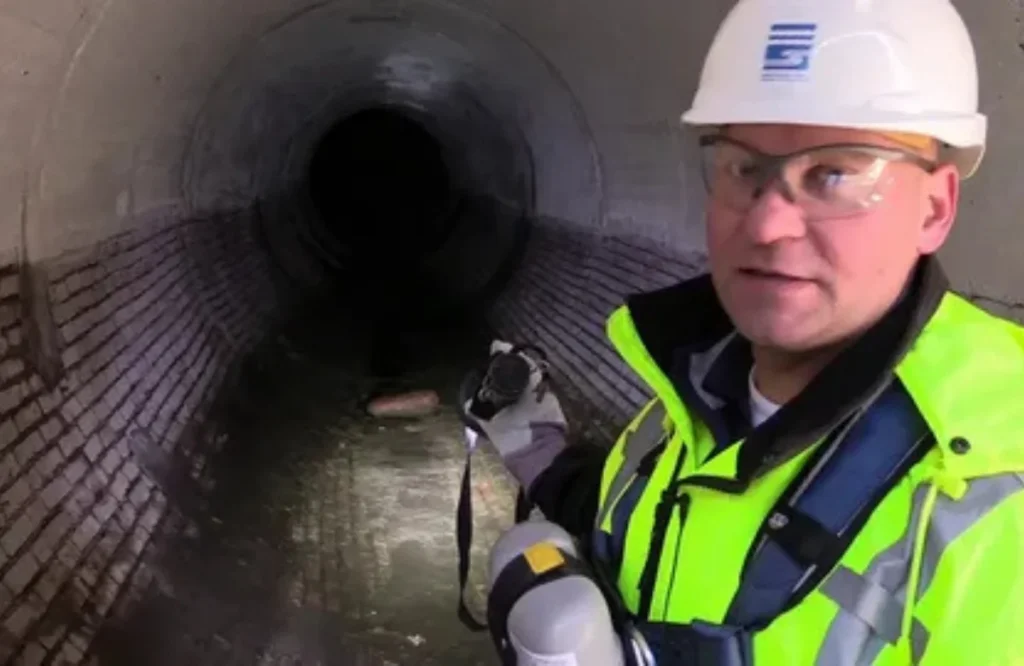
As it moves, the camera illuminates the inside of the pipe and sends live footage to a monitor. The technician evaluates pipe condition, notes problem areas, and may perform sewer line locating to map the exact position of issues underground.
Most underground pipe inspections take 30 to 60 minutes. After completion, you receive a report with video footage, timestamps, and clear findings—no guesswork involved.
How Much Does a Sewer Scope Cost?
Sewer scope inspection cost typically ranges from $250 to $600 in most areas. Pricing depends on pipe length, accessibility, and whether detailed reporting is included.
At Acme Sewer & Drain Cleaning, pricing is transparent before work begins. Many homeowners find the inspection cost worthwhile after avoiding even one major sewer repair.
Compared to full sewer line replacement, which can cost thousands, a video pipe inspection is a small upfront investment that prevents major financial surprises.
Key Benefits of Sewer Scope Inspection
A sewer scope gives you a clear look at hidden plumbing conditions before they turn into emergencies. One major benefit is early detection of root intrusion before full blockages form. It also identifies grease buildup, pipe collapse, and structural weaknesses.
Homebuyers often request pre-purchase sewer evaluation to avoid inheriting costly plumbing problems. Sellers also use inspection reports to prove system condition and speed up sales.
Sewer lateral line mapping shows exactly where your private line connects to the city main, helping prevent accidental damage during landscaping or digging.
Because the process is trenchless, your yard remains untouched—no digging, no mess, no disruption.
What Problems Does a Sewer Line Camera Find?
A sewer line camera inspection reveals issues that cannot be seen from the surface. Root intrusion is one of the most common findings, often entering through small cracks in pipes.
The camera also detects broken joints, pipe sagging (known as “bellies”), and heavy grease buildup that restricts flow. Older cast iron pipes may show corrosion that weakens structure over time.
Other findings include misaligned connections, missing cleanouts, and debris buildup. These details help determine whether hydro jetting, spot repair, or full replacement is needed.
When Should You Schedule a Sewer Scope Inspection?
A sewer scope inspection is recommended before buying an older home, especially those built before 1970 with clay or cast iron lines.
You should also schedule one if you notice slow drains, frequent backups, or gurgling toilets. Wet patches in the yard or unusually green grass over the sewer line can also indicate underground issues.
Many homeowners now include video pipe inspection as part of routine maintenance every few years to catch problems early.
How Sewer Scope Helps with Main Line Maintenance
Sewer inspections make maintenance more targeted and efficient. Instead of guessing, technicians can see exactly where buildup or damage exists in the main line.
This allows for precise hydro jetting or cleaning where it is actually needed. It also prevents unnecessary digging and helps extend the life of your sewer system.
For commercial properties or high-use systems, regular inspection supports long-term reliability and reduces emergency repairs.
Ready to See Inside Your Sewer Lines?
Waiting for a backup often means higher repair costs and more damage. A professional sewer scope inspection gives you clear answers before problems escalate.
Acme Sewer & Drain Cleaning provides detailed video pipe inspection services across Salt Lake, Davis, Tooele, and Summit Counties. Their team explains results clearly and helps you understand the real condition of your sewer system.
Call today or schedule online to protect your home with a complete underground pipe inspection before small issues turn into expensive repairs.
FAQs About Sewer Scope Inspections
How long does a sewer scope inspection take?
Most inspections take 30 to 60 minutes. A full report with video footage is typically provided within 24 hours.
Does the inspection damage pipes or landscaping?
No. The camera is inserted through existing cleanouts, so no digging or yard disruption is required.
Can a sewer scope detect tree roots?
Yes. The camera clearly shows root intrusion and other blockages inside the sewer line.
Is a sewer scope necessary when buying a home?
Yes. It helps uncover hidden sewer damage that may not appear during a standard home inspection.
How often should sewer lines be inspected?
Every 3 to 5 years is recommended, or more frequently for older homes or systems with recurring issues.