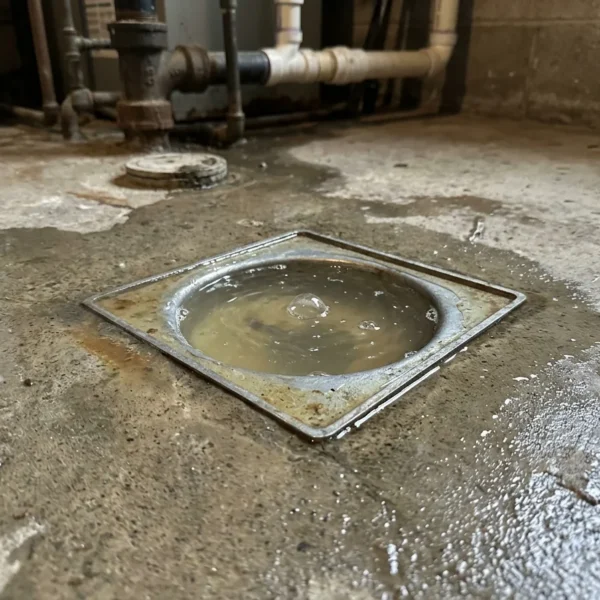
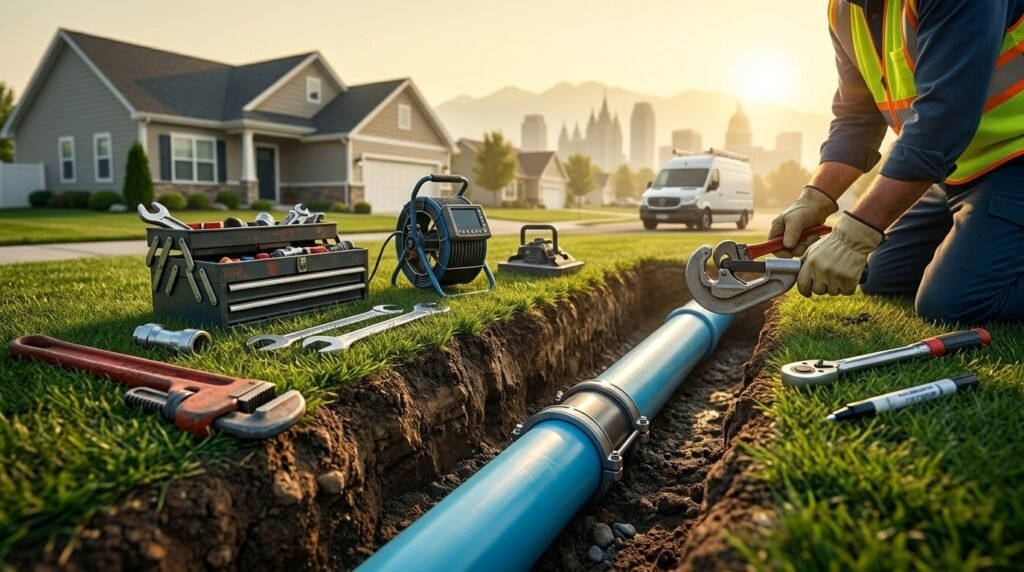
There is no single price that accurately describes sewer line repair cost in Salt Lake City. A small, accessible damaged section may require a targeted repair, while a deep, collapsed, or badly deteriorated line can involve excavation, permits, equipment, and much more labor. The condition and location of the pipe matter more than a generic online average.
The best way to understand what you may pay is to first find out what is wrong, where the damage is, and how much pipe is affected. This guide explains the main cost factors, when a sewer spot repair may work, how trenchless methods change the scope of a project, and when replacement may make more financial sense than another repair.
What Affects Sewer Line Repair Cost?
The biggest factors behind sewer repair cost are the type of damage, the amount of pipe involved, its depth, and how easily crews can reach it. Two homes on the same street can have very different repair scopes even when the symptoms seem almost identical.
For example, repeated backups may come from roots entering one weak joint. In another home, those same backups may be caused by a section of pipe that has cracked, shifted, or collapsed. The first problem may allow a focused repair. The second could require a much larger section of pipe to be exposed or replaced.
That is why a useful estimate should be based on the actual pipe condition instead of only the symptom inside the home.
The Type of Sewer Damage Changes the Repair Scope
Not all sewer failures are equal. Tree roots may enter through a damaged joint but leave much of the pipe structurally usable. A crack may affect only a short section. Severe corrosion, a collapsed pipe, or several failed sections can make a larger repair necessary.
A sewer line belly is another situation that needs careful diagnosis. A belly is a low section of pipe where wastewater and solids can collect instead of moving freely toward the sewer main. The sewer line belly repair needed depends on the location and severity of that low area. Because the slope of the pipe may need to be corrected, simply clearing the line does not fix the underlying grade problem.
The more structural work required, the more labor, access, equipment, and restoration can become part of the project.
Why a Sewer Camera Inspection Matters Before Pricing
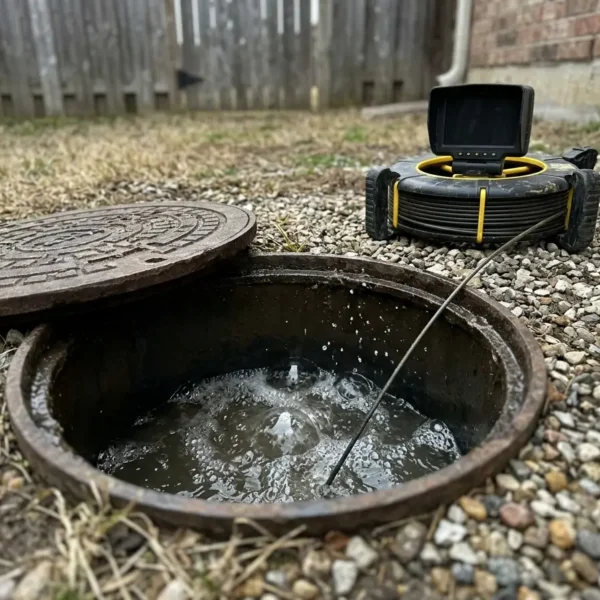
A contractor cannot accurately judge an underground pipe by looking at a slow toilet or backed-up floor drain. A sewer camera provides a view inside the line and helps identify cracks, roots, offsets, corrosion, standing water, blockages, and other visible problems.
That information can prevent unnecessary digging. ACME provides sewer camera inspection services to examine sewer mains and identify conditions that may need further work. The company also uses camera equipment after certain blockages are cleared to check the condition of the line.
A camera inspection does not solve every diagnostic question by itself. The line may also need to be located from the surface so the damaged area, depth, and route can be marked. Those details help determine what access will be required before a repair estimate is built.
Pipe Depth Can Have a Major Effect on Sewer Repair Cost
A shallow sewer pipe in an open yard is normally easier to reach than a deep line running beneath a driveway, patio, retaining feature, or finished landscape. As depth increases, excavation can require more work and more care around the trench.
Crews also need to know where nearby underground utilities are located before digging begins. Access may become more complicated when sewer lines run close to structures or pass through areas where large equipment cannot easily operate.
For that reason, pipe depth and accessibility can affect the cost to repair sewer line damage even when the damaged section itself is fairly short. ACME’s sewer line locating service uses camera and locating equipment to identify a line’s path and depth before excavation is planned.
Does the Length of Damaged Pipe Matter?
Yes. Repairing one failed point is different from dealing with damage spread across a long sewer lateral. Once the line has been inspected, the contractor should be able to explain whether the problem appears isolated or affects several sections.
A sewer spot repair is intended for localized damage. If the rest of the pipe is in usable condition, opening one area and replacing or repairing that section may avoid work on portions of the sewer that do not need attention.
The decision changes when a camera shows widespread deterioration, repeated breaks, heavy corrosion, several offsets, or other structural problems along the line. At that point, paying for individual repairs one after another may not be the best long-term use of the homeowner’s budget.
Sewer Spot Repair vs. Larger Sewer Line Repair
A spot repair can make sense when there is a clearly defined failure and the surrounding pipe remains sound. The goal is to correct the damaged area without replacing a sewer line that is otherwise functioning properly.
A larger repair may be needed when the problem extends beyond one point. That can happen with deteriorated older pipe, several damaged joints, sections with poor grade, or a collapsed area that affects the surrounding line.
| Repair situation | What may be involved | Main cost considerations |
| Localized pipe damage | Targeted sewer spot repair | Location, depth, excavation and restoration |
| Root-damaged joint | Cleaning, inspection and possible structural repair | Root severity and condition of the joint |
| Bellied pipe | Exposing and correcting the affected section | Depth, length, grade and access |
| Collapsed section | Excavation and pipe reconstruction | Depth, soil conditions and damaged length |
| Widespread deterioration | Larger repair or replacement | Total pipe condition and replacement method |
A proper recommendation should be based on what the camera and on-site assessment show, rather than choosing the cheapest method before the condition of the pipe is known.
Traditional Excavation and Trenchless Repair Do Not Price the Same Way
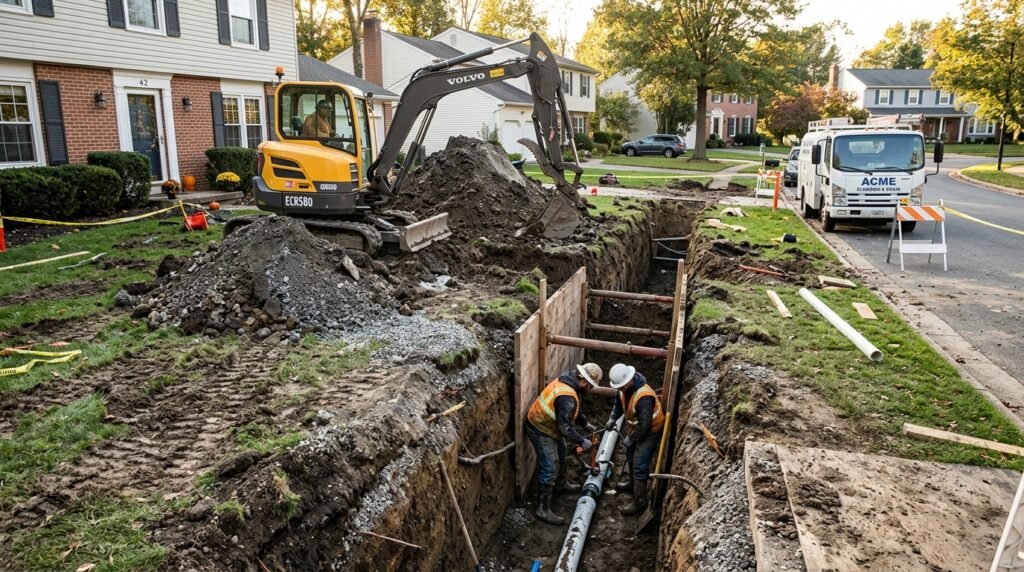
Traditional sewer repair normally involves exposing the damaged pipe from above. That can be the right method when crews need direct access to correct grade, replace a collapsed section, or deal with conditions that cannot be addressed from inside the existing line.
Trenchless methods are designed to reduce the amount of open excavation needed for suitable projects. That can reduce disruption to yards, landscaping, or other finished surfaces, but trenchless work is not automatically the cheapest or correct option for every sewer.
The trenchless sewer repair cost depends on the technique being considered, pipe condition, access points, pipe length, and whether the existing line is suitable for that method. A homeowner comparing trenchless work with excavation should compare the entire project, including surface restoration, rather than looking only at the pipe work itself.
What Else May Be Included in a Sewer Repair Estimate?
A useful repair estimate should explain more than the cost of a piece of replacement pipe. Diagnosis, line locating, excavation, labor, equipment, disposal, permits, inspections, backfilling, and restoration can all affect the total scope.
Surface conditions matter too. Opening soil in an accessible part of a yard is different from reaching a pipe below concrete or another finished area. When a surface has to be removed and rebuilt, that restoration may form a meaningful part of the overall project.
Homeowners comparing estimates should ask what is included, what is excluded, and what could change once the pipe is exposed. That makes it much easier to compare two proposals that may appear similar at first glance.
Who Is Responsible for the Sewer Line in Salt Lake City?
For homes served under Salt Lake City rules, the distinction between a private sewer lateral and the public sewer system matters. City code defines a sewer lateral as the building sewer carrying wastewater from the property to the public sewer and states that it is owned by the user. The code also places maintenance responsibility for building sewers, including the connection to the public sewer, on the property owner.
That is an important point when researching sewer repair cost Utah homeowners may face. A problem can occur outside the walls of the house and still fall within the property owner’s sewer responsibility.
Individual properties and utility situations can differ, so ownership and responsibility should be confirmed before work starts if there is any question about where the failure is located.
Do Salt Lake City Sewer Repairs Require Permits?
Sewer work within Salt Lake City can involve local permitting and inspection requirements. City code states that applicable permits are required before installing, repairing, altering, or connecting a building sewer to the public system. Applications for sewer repair or replacement are made by a licensed and bonded sewer contractor or plumber, and the repair is subject to testing and inspection requirements.
Salt Lake City’s current FY2027 fee schedule also includes sanitary sewer inspection and permit-related charges. Because requirements can depend on the exact project, homeowners should make sure their estimate explains which permits or inspections apply rather than assuming they are automatically included.
This local requirement is another reason an online national average cannot tell you the final main sewer line repair cost for a Salt Lake City property.
When Does Replacement Make More Sense Than Repair?
Repair makes the most sense when it solves a defined problem and leaves the rest of the sewer in dependable condition. Replacement becomes worth discussing when the pipe has widespread damage or when repairs are becoming a repeated expense.
Imagine a line with one cracked section but otherwise solid pipe. A focused repair may be reasonable. Now compare that with a sewer showing severe deterioration in several areas, recurring failures, poor joints, and structural problems along much of its length. Repairing one point may simply move the next problem farther down the line.
The goal should not be to sell the largest project. It should be to compare the condition of the whole line with the scope and likely value of the proposed repair. ACME’s residential sewer main services include sewer assessment as part of determining whether structural issues are present.
Can Cleaning Solve the Problem Without Sewer Repair?
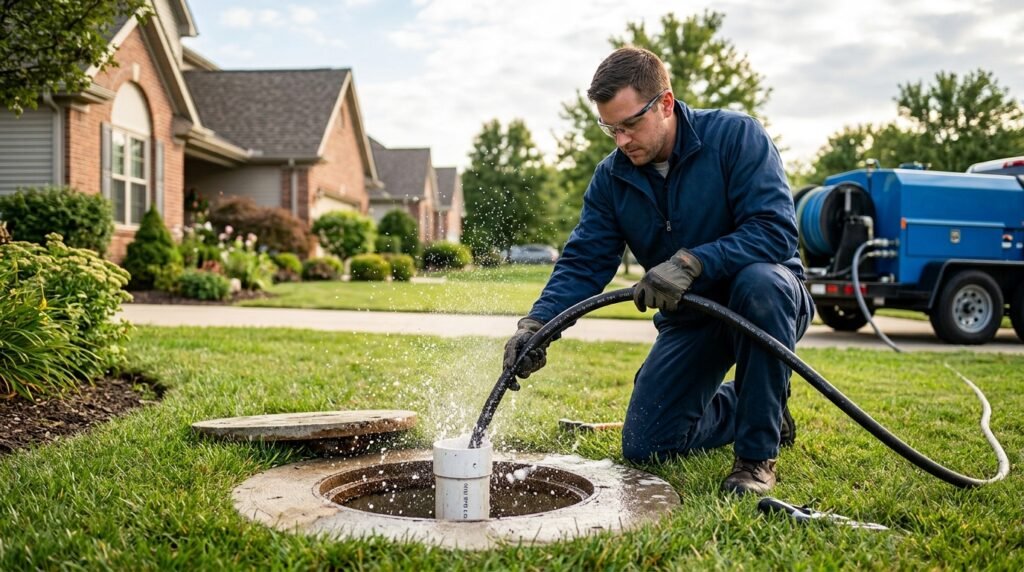
Sometimes. A backup does not automatically mean the sewer pipe is broken. Grease, debris, scale, or roots can restrict flow even when a large part of the pipe remains structurally sound.
Cleaning may restore flow when the main problem is an obstruction. However, recurring roots or repeated blockages can also be a warning that there is an opening, failed joint, offset, or other defect that allows the problem to return.
This is where inspection matters. Spending money on structural work when the pipe only needs cleaning is unnecessary. Repeatedly cleaning a line with major structural damage can also become expensive without fixing the cause. ACME explains more about maintenance and recurring sewer issues in its guide to keeping sewer lines clear in Salt Lake City.
How Can Homeowners Get a More Accurate Sewer Repair Estimate?
Start with diagnosis rather than asking for a price based only on the symptom. A useful assessment should identify the damaged area, pipe condition, depth, access, and likely repair method before major work begins.
When comparing estimates, look at the proposed scope rather than simply choosing the lowest number. One estimate may include locating, excavation, inspection, backfill, and restoration while another may leave some of those items outside the quoted amount.
For homeowners considering sewer line repair Salt Lake City, local access conditions also matter. Properties around Salt Lake City and the Wasatch Front can range from older established neighborhoods to newer developments, and sewer routes can pass beneath landscaping, driveways, or other finished areas. ACME serves homeowners throughout its Salt Lake City service area and surrounding communities.
Frequently Asked Questions About Sewer Line Repair Cost
How much does sewer line repair cost in Salt Lake City?
There is no reliable flat sewer line repair cost that fits every property. The final scope depends on the type of damage, how deep the pipe is, how much line is affected, accessibility, excavation needs, repair method, permits, and restoration. A camera inspection and site assessment provide a better basis for pricing than a generic online average.
Is a sewer spot repair cheaper than replacing the whole line?
A sewer spot repair usually involves less pipe and may require less disruption when the damage is limited to one area. It is not always the right choice, though. If several parts of the line are failing, repeated spot repairs can become less practical than addressing the larger problem.
Does a sewer camera inspection tell me exactly what the repair will cost?
A camera helps identify visible pipe problems and their approximate location. The contractor may still need line locating, depth information, site access details, or further evaluation before giving a complete repair estimate.
Is trenchless sewer repair always cheaper than excavation?
No. Trenchless sewer repair cost depends on the pipe, method, length, access, and existing conditions. Trenchless work may reduce surface disruption on suitable projects, but traditional excavation can be necessary for problems such as certain collapsed or poorly graded sections.
Can tree roots be removed instead of repairing the sewer line?
Roots can often be cleared from a sewer line, but the reason they entered the pipe still matters. If roots are coming through a damaged joint or crack, cleaning may restore flow without correcting the opening. A camera inspection can help show whether additional repair should be considered.
Who pays for sewer lateral repairs in Salt Lake City?
Salt Lake City code states that the sewer lateral is owned by the user and that building sewers, including the connection to the public sewer, are maintained by the property owner. Specific situations should still be confirmed when the exact location or ownership of the damaged section is unclear.
Get Clear Answers Before You Pay for Sewer Repair
The best way to control sewer line repair cost is not to choose the cheapest repair before knowing what is underground. Find the problem first. Confirm its location, depth, and severity. Then compare the repair options based on what the pipe actually needs.
ACME Sewer & Drain Cleaning specializes in sewer and drain diagnostics, cleaning, locating, and repair work across Salt Lake City and the Wasatch Front. ACME uses camera and locating equipment to help identify underground problems before recommending the next step.
If you have recurring backups, suspected pipe damage, roots, a collapsed section, or another sewer problem, contact ACME Sewer & Drain Cleaning or call (801) 930-8000 to discuss the problem and request an estimate based on your actual sewer line.