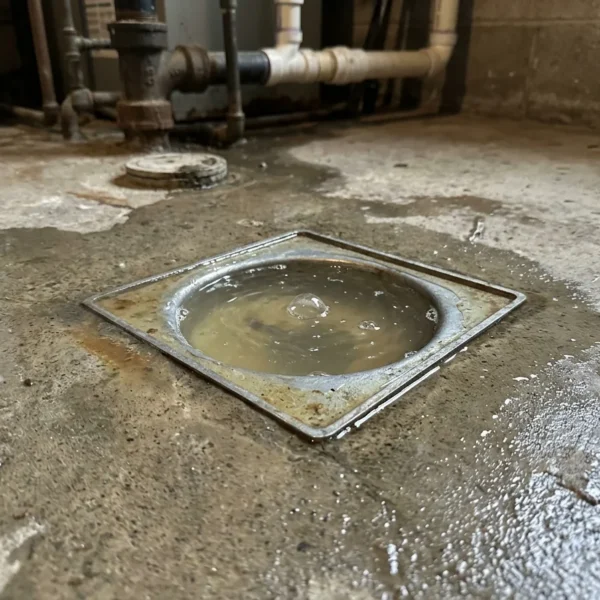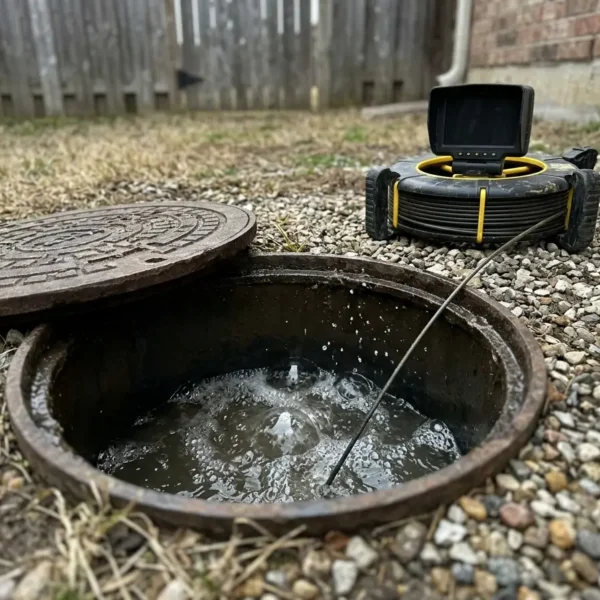

Nothing can ruin a calm day at home faster than heading into the basement and being hit with a strong drain odor. Then you lift the cover and find standing water that refuses to move. A clogged basement floor drain filled with hair, soap buildup, dirt, or sediment can quickly turn into a sewer backup risk.
Many homeowners across Salt Lake, Davis, Tooele, and Summit Counties deal with this exact issue. Water slows down, smells spread upstairs, and frustration builds when the drain stops responding. The good news is that many clogs can be handled early with simple steps. When the blockage goes deeper, professional help becomes the safer solution.
Signs Your Basement Floor Drain Needs Attention
Watch for early warning signs before a small blockage becomes a major problem. Slow drainage after laundry or showers often points to buildup in the floor drain. Gurgling sounds or water pushing back after heavy rain are also common indicators.
A persistent foul odor usually means trapped debris or a dry trap. In some cases, insects gathering near the drain signal standing residue inside the pipe. Acting early prevents basement sewer backup and costly repairs.
Tools You Need for Safe DIY Unclogging
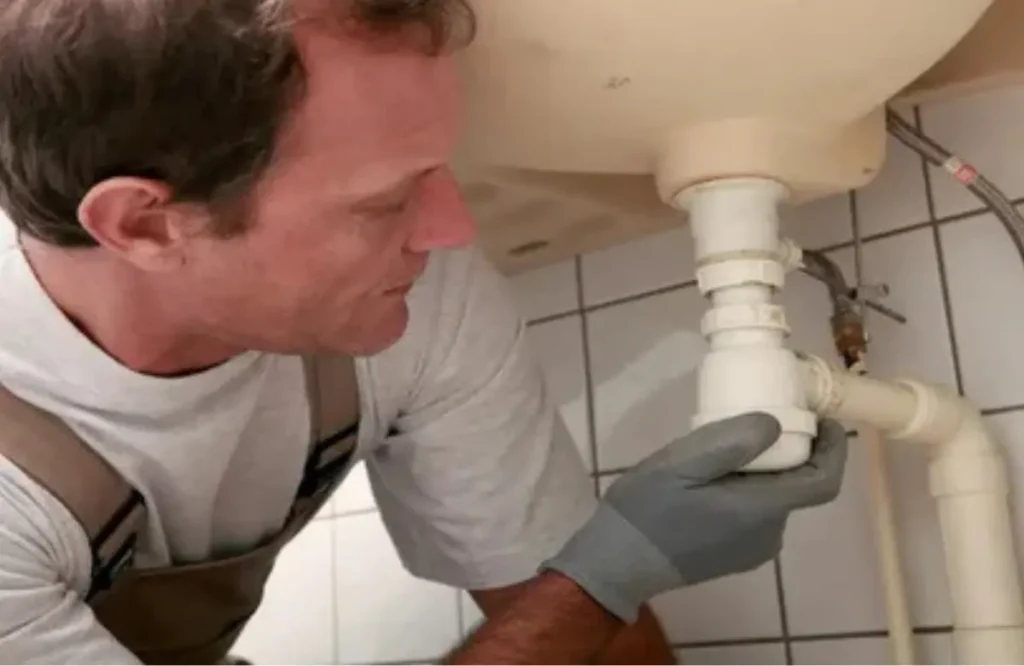
Before starting, gather basic tools so you can work efficiently. A plunger handles minor clogs, while a drain snake or auger helps reach deeper blockages. Baking soda, vinegar, and hot water support natural cleaning methods.
Gloves and eye protection are essential for safety. A shop vacuum can also help remove excess water or debris. Having the right tools ready improves success and reduces mess.
Step-by-Step Guide to Unclog Floor Drain
Start by removing the drain cover carefully. Use a flashlight to inspect inside and clear visible debris by hand if possible. This alone can improve flow significantly.
Pour hot water into the drain to loosen grease and soap buildup. Follow with half a cup of baking soda and half a cup of vinegar. Let it sit for 10–15 minutes to break down organic material naturally.
Use a plunger to create steady pressure over the drain opening. If water still does not move, insert a drain snake and rotate it to break apart the clog. Pull it out and flush with hot water. Repeat if needed until flow returns.
When DIY Methods Are Not Enough
If the clog keeps returning or the snake hits solid resistance deep in the pipe, the issue is likely beyond surface level. This may indicate buildup further in the line or structural pipe problems.
Older plumbing systems often accumulate years of grease and sediment. In some cases, tree roots or collapsed pipe sections restrict flow. At this stage, professional floor drain cleaning becomes necessary.
Professional Floor Drain Cleaning Methods That Work
Licensed plumbers use advanced tools that go beyond household methods. Motorized drain augers can reach deep blockages that manual tools cannot access.
Hydro jetting uses high-pressure water to remove grease, sludge, and debris from pipe walls. Pipe descaling helps restore flow by removing mineral buildup. Professionals also inspect for sewer line issues that may be affecting multiple drains in the home.
Daily and Weekly Floor Drain Maintenance
Routine maintenance helps prevent most basement drain issues. Running water through the drain weekly keeps the trap filled and blocks sewer gas from entering the home.
Installing a simple drain screen helps catch hair and debris before it enters the pipe. Cleaning it regularly prevents buildup. Keeping the surrounding area clean also reduces contamination.
Check the drain cover monthly to ensure it is secure and undamaged. A tight seal keeps pests and debris out of the system.
Long-Term Prevention Strategies
A full drain flush every 6 to 12 months helps prevent long-term buildup. This keeps pipes clear before serious blockages form.
Homes in wet or flood-prone areas may benefit from sump pump integration to manage excess water. This reduces pressure on basement floor drains during heavy rainfall.
Avoid disposing of grease, coffee grounds, or harsh chemicals down basement drains. These materials harden inside pipes and create stubborn clogs over time.

Understanding Basement Sewage Backup Risks
A basement sewer backup can cause serious damage to floors, walls, and stored belongings. Moisture also encourages mold growth, which affects indoor air quality.
Older sewer lines are especially vulnerable during heavy rain or blockages. When main lines clog, wastewater often returns through the lowest drain point in the home. Immediate response is key to limiting damage.
Why Local Expertise Matters in Utah
Soil conditions and seasonal weather in Salt Lake, Davis, Tooele, and Summit Counties create unique drainage challenges. Snowmelt and clay-heavy soil increase stress on sewer systems.
Acme Sewer & Drain Cleaning understands these local conditions and responds with targeted solutions. Their experience with hydro jetting and sewer inspections helps resolve recurring drainage issues effectively.
If you are dealing with persistent drain problems or slow basement drainage, professional help can prevent long-term damage. Acme Sewer & Drain Cleaning provides fast service across Salt Lake, Davis, Tooele, and Summit Counties to restore safe and reliable flow.
Frequently Asked Questions
How often should I clean my basement floor drain?
A simple flush with hot water and vinegar once a month helps prevent buildup. Professional cleaning every 6–12 months keeps the system fully clear.
Can chemical drain cleaners be used safely?
They are not recommended for basement drains. Harsh chemicals can damage older pipes and worsen long-term issues.
Why does my floor drain smell even when it drains well?
A dry trap is usually the cause. Pouring water into the drain restores the barrier that blocks sewer gases.
What causes basement sewage backup?
Blocked sewer lines, heavy rainfall, or tree root intrusion can force wastewater back through floor drains.
When should I call a professional?
If clogs keep returning, multiple drains slow down, or water backs up, professional service is the safest option to prevent major sewer damage.