Heart sinks, right? That shower leak finally happened right when you were in a zen mode, and now it is a panic mode. I am not new to the profession; I have more than a few years of experience as a plumber, crawling in bathrooms of the USA, big and small bungalows in California, or freezing farmhouses in the Midwest, and I tell you, these leaks are cunning but far from impossible. They strike all at length, and the better side? The majority of them are either simple repairs that can be done by yourself, or on the initial notice to save a fortune by enlisting the services of professionals.
In this guide, I’ll spill the beans on how to sniff out the problem, patch it up step by step, and keep it from coming back like a bad penny. Then we will discuss the straightforward caulk jobs and the detection of those leaks within walls that may result in nightmare-inducing molds. You will take away an assurance regardless of whether you are a DIY novice with a wrench or whether you are familiar enough to call leak-detecting plumbing assistance. No bull, simply street talk, let’s get you showered off, drama-free today.
Why Shower Leaks Happen
Leaks in the shower creep along due to daily use. Water continuously strikes seals, grout, and pipes, breaking them down over time.
Usually, some offenders are cracked caulk at the tube or tiles, a deteriorated faucet gasket, and loose showerhead connections. In older houses, it is more likely to have corroded pipes behind the wall, making it difficult as the water leaks behind the walls to your drywall and floors. Hard water accumulates minerals, also clogging it up, and straining joints to collapse.
Such leaks result in mold, rot, and large repair costs, which may not be addressed. Fixes in the early stages will save your money and ensure your safety in the bathroom.
Where to Look for Shower Leaks
The best place to begin is in the shower stall. Test the shower head, unscrew it and observe whether the pipe threads drip.
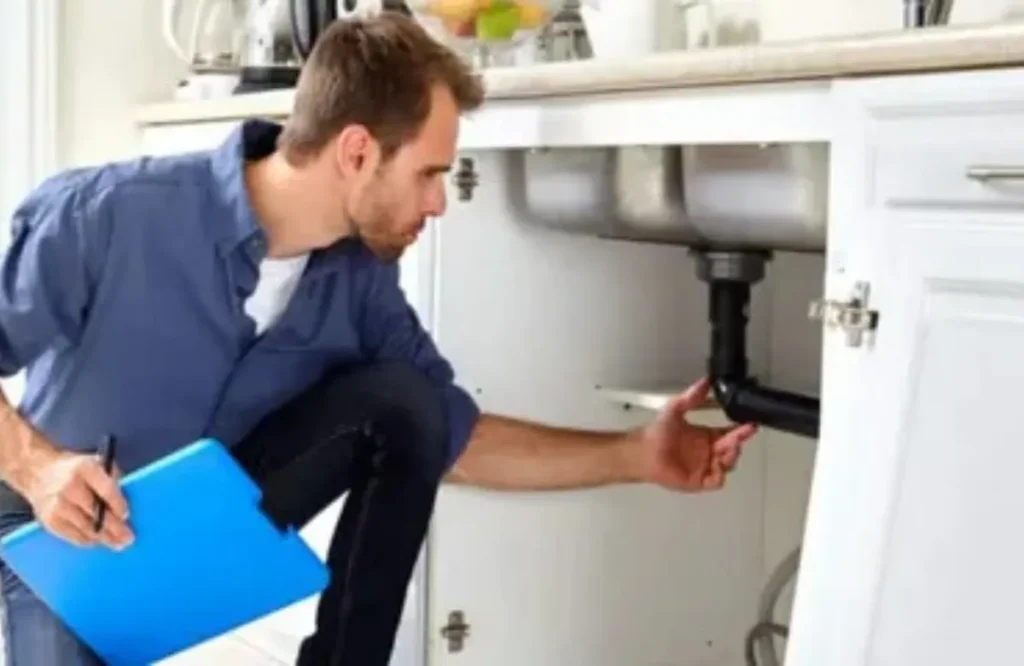
Check the grout lines and caulk edges for cracks or missing pieces. Stains appear on the walls or ceiling below the point that indicates the leaks behind the tile. In concealed ones, detect soft spots of the floor, or use a moisture meter.
Behind the wall? That is pro-territory with leak detection plumbing equipment, such as infrared cameras, to identify the areas of plumbing pipe repair without destroying the whole pipe.
How to Fix a Shower Leak Step by Step
Fixing a shower leak starts with safety; turn off the water at the main valve or under the sink. Grab basics like a screwdriver, wrench, plumber’s tape, caulk, and replacement parts from any hardware store.
Quick Fixes for Visible Leaks
The majority of the leaks are not technical and can be easily addressed on your own.
- Showerhead drip: Screw the strap wrench out of the head. Threads should be cleaned, a Teflon tape (clockwise, 3-4 times) should be applied and tightened, but not excessively, to avoid cracks. Test the flow.
- Leak in Faucet or valve: Pop off the escutcheon plate (trim). Test gasket wear- test mushy ones. Apply putty on the back, which is a smear of plumber’s putty, screw it on, and wipe away any excess. This seals like new.
- Bad caulk and grout: Remove with a utility knife. Blot out the space (a fan or a heat gun comes in handy). Use new silicone caulk in a constant bead and smooth with a damp finger, and allow to dry after 24 hours. No water till then!
These handle 70% of issues. Turn the hot and the cold showers on and observe drips. Wipe off all and test again in one day.
Detecting and Fixing Hidden Leaks
When water appears outside the shower area, such as the ceiling stains on the ground floor, it is probably pipes. This is where the leak-detecting plumbing is able to shine. Cap lines, pump air or water, and hisses or drops of watch gauges are used by pros.
Self-help: Wet behind access panels. Turn on the hot water, feel the pipes. Or food dye in the drain-colour in cabinets spells trouble.
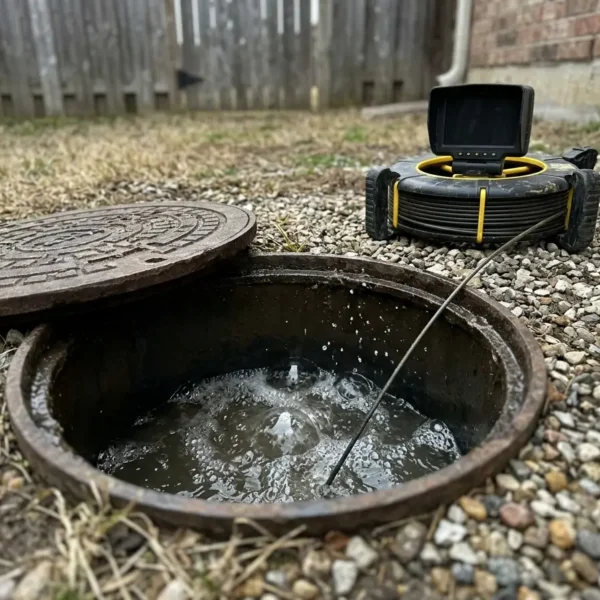
In case of direction leaks to a wall, make a small hole in the drywall around the area of suspicion. Inquire using a wire camera in case you have one. Clubbing observation: copper pipes have pinholes due to corrosion. Dry fit shark bite connector or solder a connector (pro heat torch required).
Plumber fix shower pro tip: Pull it off, re-tape threads, and re-fit it, in case it is the shower arm. Free-floating supply lines below the valve? Tighten fittings gently.
When Leaks Tie to Sewer or Septic Problems
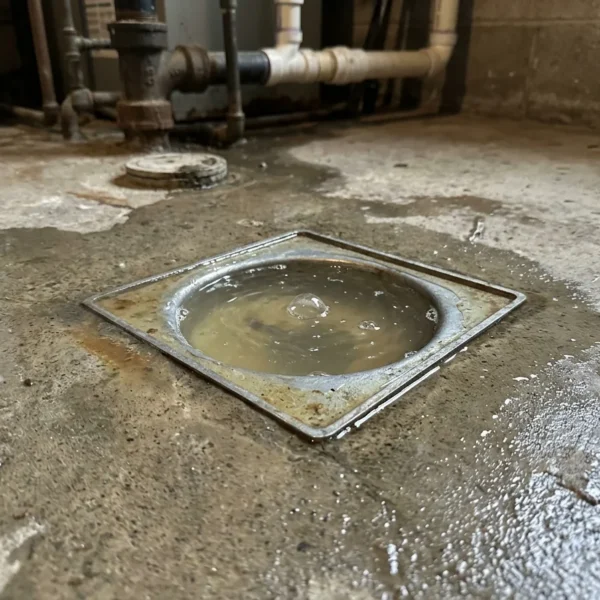
There are times when a shower leak is accompanied by offensive odors. Sewer gas smells of rotten eggs- consider hydrogen sulfide by bacteria or dry P-traps. Add water to the drain once a week to replenish the traps.
Bigger issue? Busted drain pipes allow gas to escape. No dark pipe repair and no dark sewer repair comes out of the ground without having to excavate your garden. They use a liner (CIPP) and put it in the old pipe, which is cured to form a new one. Expenses are $60-$250 per foot, which is much cheaper than excavation.
Got a septic tank? Slower drains or gurgling could indicate that it is full- septic tank requires pumping every 3-5 years, costs $250-$1100 depending on size. Taking care of a septic tank usually begins by pumping sludge and inspecting baffles to ensure they are not clogged. Wipe and grease should not be flushed.
In slab homes (common in the USA South), leaks hit main lines fast. Call for camera inspection before the no-dig pipe repair seals it up.
Advanced Plumbing Pipe Repair
On busted pipes, the methane is sweated by experts using copper joints: Cut the bad area, clean the terminal using the emery cloth, flux, slip fittings, and heat until the solder boils. PEX is easier, crimp rings on. Patches with epoxy are used until that time.
Shower pan leaks? Fiberglass ones break, tear off, and glue or make a new one. There is a need to replace tile floor liners.
Simple jobs require 1-4 hours of full process, days of walls. Never forget: Run water for 10 min and make sure that it is dry everywhere.
I have patients in hundreds, mended, rushing is impatient. Bad caulk is peeled with a bad strip, wrong torque strips thread. Labeling is to be done before disassembly.
Top Tips to Prevent Shower Leaks
Stay ahead with these plumber tricks.
- Inspect yearly: Eyes on caulk, tighten heads monthly.
- Use quality parts: Silicone caulk, not acrylic; brass over plastic.
- A water softener for hard water cuts mineral buildup.
- For septic homes: Schedule septic tank pumping; plant grass over the drain field, no trees.
Bullet-proof your setup!
When to Call a Plumber
- DIY limits hit quickly.
- Persistent leaks post-fixes.
- Sewer gas smell lingers. What does sewer gas smell like? Rotten eggs means vent or trap failed.
- Wall wetness or mold.
- Septic backups, fixing a septic tank needs pros for safe digs.
Plumbing to fix a shower costs $150-$500, but saves thousands in damage.
Conclusion
Shower leaks from caulk pipe cracks are fixable with checks, seals, and smarts. Catch them early for easy wins. Tie-ins like sewer gas or septic woes need no dig tricks or pumps for full relief.
Ready for pro leak detection plumbing or plumbing pipe repair? Visit Acme Sewer & Drain Cleaning today. We handle all your USA home plumbing fast and right.
FAQs
How do I know if my shower leak is behind the wall?
Look for water stains on ceilings below the shower or soft, spongy drywall around the area; those are big red flags. You can also use a cheap moisture meter from the hardware store to check for hidden dampness. If you’re not sure, call for leak detection plumbing with thermal cameras; pros spot it fast without tearing into walls.
What does sewer gas smell like from a shower drain?
Sewer gas from a shower drain often smells like rotten eggs or raw sewage, thanks to hydrogen sulfide gas from bacterial buildup. It’s a sharp, nasty odor that hits when the P-trap dries out. Just pour a quart of water down the drain weekly to refill the trap and block the smell.
Can I DIY plumbing pipe repair on shower lines?
Yes, you can DIY simple plumbing pipe repairs on shower lines using Teflon tape for loose joints or push-fit couplings for small cuts. But skip soldering or anything needing wall access, as they risk floods or shocks. Better let a plumber fix shower issues safely with the right tools and know-how.
What’s no-dig sewer repair and when for showers?
No-dig sewer repair means lining damaged pipes from the inside with a strong epoxy sleeve, no messy yard digs needed. It’s perfect for shower leaks that reach main sewer lines, costing $60-250 per foot. Use it when camera inspections show cracks, but you want to save your landscaping.
How often should the septic tank be pumped?
Pump your septic tank every 3-5 years, depending on household size. Costs run $250-$100 based on tank capacity. Slow drains or gurgling toilets signal it’s overdue. Regular septic tank pumping prevents clogs, and big septic tank overhauls down the road.
Why call a plumber for shower leaks?
Call a plumber for shower leaks when DIY fixes fail; they use pro tools like pipe cameras to spot hidden corrosion or breaks fast. This avoids mold growth, floor damage, or floods that rack up huge bills. Plumbers save you time, mess, and money in the long run.