
Standing over a sink full of murky water or a toilet that just won’t flush is stressful, embarrassing, and honestly a little gross. What is needed at that point, as always, is a quick, easy solution to get the water flowing again without destroying your pipes or blowing up your budget.
The good news? Most clogged drains can be repaired at home with simple equipment, a few clever tips, and a strategy. You will know what is making your drains slow, how to get all that out of the gurgling sink and completely out of the toilet, and when to start the drilling apparatus for drains, jetting, or sewer line repair to achieve a permanent cure.
Why Drains Get Clogged in the First Place
The drains commonly block slowly when the grease, hair, soap, food, and other waste materials accumulate in pipes. In homes in the United States of America that are of old age, it is easier to get gunk due to the presence of minerals and little shifting of pipes.
Common causes include:
- Kitchen sinks: grease, oil, food scraps.
- Bathroom sinks: hair, toothpaste, makeup.
- Showers/tubs: long hair, soap scum.
- Toilets: wipes, excess toilet paper, hygiene products.
- Floor drains: lint, dirt, small objects.
- Main sewer lines: tree roots and aging pipes.
Where Clogging of Drains Happens Most Often
Various types of drains are clogged due to various causes; the repair varies according to the location of the problem.
Kitchen sink
- Grease and oil solidify and harden in the pipes, reducing the size of the opening.
- Sticky and swollen food scraps, coffee grounds, and starchy food such as rice and pasta swell.
Bathroom sink and shower
- Stoppers and fittings are wrapped up by hair that traps soap and dirt.
- Toothpaste and bar soap result in a film that becomes trapped.
Clogged toilet
- Wipes, paper towels, and thick toilet paper do not dissolve like other tissue.
- Small objects or toys that children drop into the bowl may get stuck in the trap.
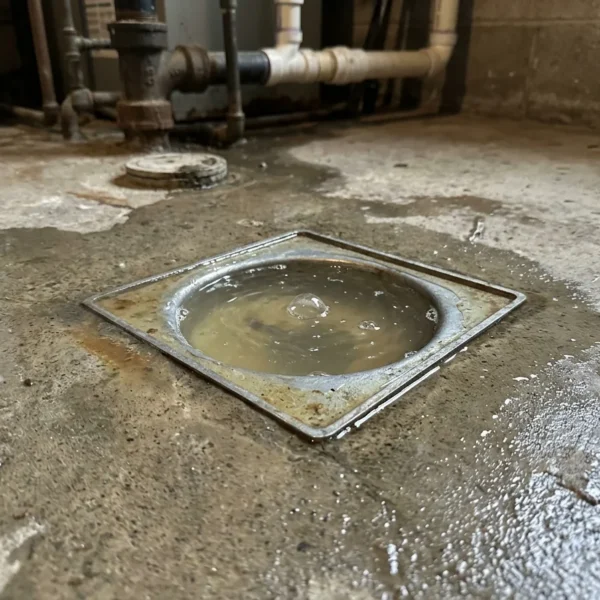
Floor drains and basement drains
- The soil, pets, and laundry lint will accumulate in sinks and retain water.
- Main line backups in the basement may manifest in the form of standing water in the floor drains.
Sewer line to the street
- Roots of trees find their way into the tiny cracks and grow to block the sewer line.
- Old pipes (cast-iron and clay) break, collapse or hang, which leads to a repetitive blockage.
The understanding of the location of the clog will be able to decide whether to go with a quick DIY solution, sign up for sewer drain jet cleaning, or strategize on how to repair your sewer line.
How to Fix Clogged Drains: Step‑by‑Step Guide
This is the main one where we get into details of how to fix clogged drains in a safe and feasible manner for U.S. homeowners.
Step 1: Diagnose the type of clog
Before you grab any tool, take a minute to understand the situation.
Ask yourself:
- Is only one fixture clogged (one sink or one toilet), or are several drains acting up?
- Is water backing up in a lower drain (like a basement floor drain) when you run water upstairs?
- Do you smell sewage around the house?
When only one of the drains seems slow or clogged, then it is probable that the obstruction is near that outlet. If more than one drainage area is draining slowly or has a backup, there might be an issue with your main sewer line. The solution could be to flush it with drain jetting or repair it with sewer line repair kits, rather than relying on simple DIY fixes.
Step 2: Start with safe, gentle methods
When it comes to home clogs, you can start with high-risk, low options.
Hot water flush (sinks and tubs)
- Standing water should be removed to allow the hot water to get to the clog.
- Boil a kettle or pot of water.
- Add the slowly pouring through the drain in consecutive portions, leaving some interval between additions.
It is effective on the grime in the bathroom and kitchen.
Baking soda and vinegar
- Pour about one cup of baking soda into the drain.
- Add one cup of white vinegar and quickly close the drain with a stopper.
- Wait 15–30 minutes, then flush with hot water.
This gentle reaction helps break down organic buildup without harsh chemicals.
Step 3: Use a plunger correctly
Plungers are not only for clogged toilets; they can also be used on sinks and tubs with proper use.
For sinks and tubs:
- Use a wet rag to plug the other side of your sink in case you have a double sink, so that it generates suction.
- Fill the sink or tub with enough water to cover the plunger cup.
- Place the plunger over the drain, press down to seal, then pump firmly 15–20 times.
- Lift quickly and see if water drains; repeat as needed.
For a clogged toilet:
- Take a plunger of flanges (which has the piece of rubber fitted in the bottom).
- Ensure that there is a sufficient supply of water covering the rubber section.
- Inhale slowly in and out for 20-30 seconds, then invert partially to rip the seal.
In case of no improvement on plunging or continued clogging of the toilet, then something is deeper inside the sewer line.
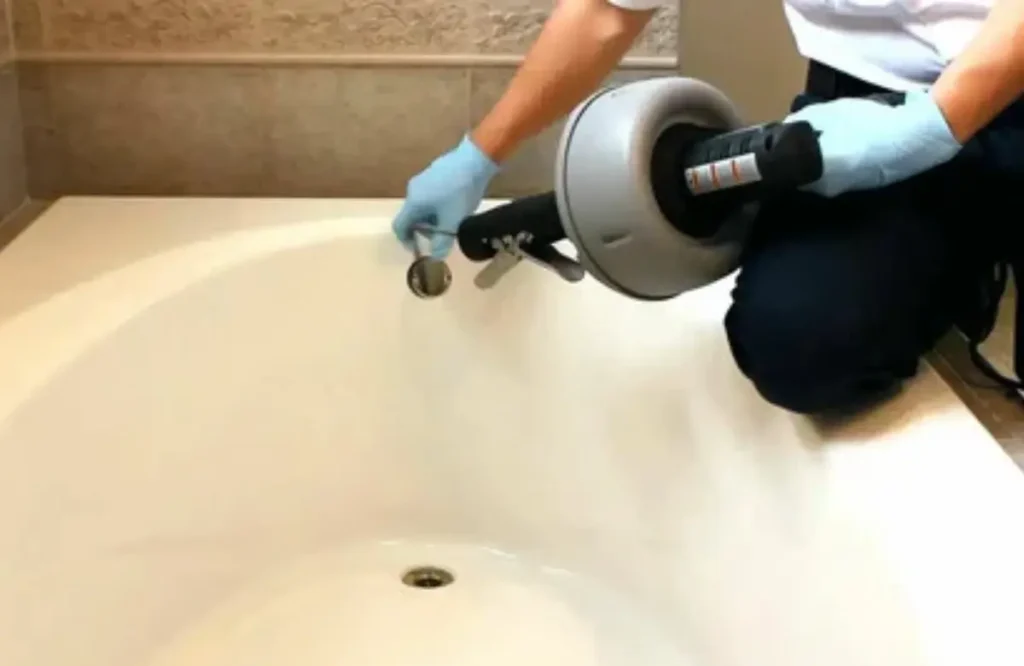
Step 4: Try a drain snake or DIY tool
If the plunger doesn’t dislodge the clog completely, a drain snake (also known as a plumber’s snake) can reach deeper.
- Continue feeding the snake into the drain until you encounter resistance.
- Then twist the handle and loosen the obstruction.
- Pry it out; you might carry along hair, rubbish.
- Wipe with hot water, then later wash away the remains.
A simple plastic snake or a straightened wire hanger will do the job of clearing light hair clogs in bathroom sinks or showers.
Step 5: Use caution with chemical drain cleaners
Chemical drain cleaners purchased at the store may appear simple, but they have the ability to damage pipes (particularly those of old age), and are not always effective with a severe clog.
- Do not confuse the various chemical cleaners.
- Because there is a special label that states it, they should not be used in toilets.
- This is because, in case you have already experimented with chemicals, do not sink or snake immediately to avoid the splashing of harsh liquids.
There is a transition to mechanical tools and water-based processes over heavy chemical cleaners by many U.S plumbers, particularly due to growing regulations and environmental issues.
Step 6: Know when to call a sewer drain jet cleaning service
When multiple drains happen to be slow, you will then hear gurgling, or perhaps the backups resurface, and in the future, the issue may be with your main sewer line and not a single sink/toilet. In that case, professional drain jetting (hydro jetting or water jet sewer cleaning) is usually the best fix.
In simple terms, here is the way it works:
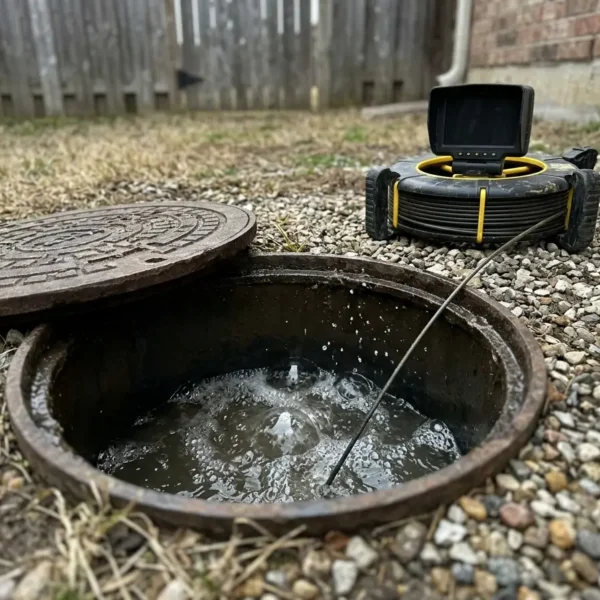
- The house evaporation plumber will feed a hose equipped with a special nozzle into the sewer cleanout.
- Harsher pushes high-pressure water through the hose, reaching thousands of psi.
- Going backward, jets drag the hose in front of them, and front jets shoot the roots, grease, and hard deposits.
- The strong water stream cleans the pipe walls and sweeps dust and debris to the sewer of the city.
Step 7: When you need sewer line repair or replacement
If the clogs continue to reappear after cleaning, the sewer pipe itself may be damaged, collapsed, or hanging. This is the time when sewer line repairs or even replacement in totality come in.
The typical symptoms of sewer line repair being required are:
- Backups in multiple fixtures, particularly on the lower floors.
- Bad odors in the yard, the basement or around the drains.
- Wet, damp or additional green areas in the yard in the sewer line.
The majority of plumbers begin with a video camera inspection in order to identify cracks, root growth or collapsed areas. Based on their findings, they can recommend:
- Spot repair: Excavating and repairing the bad area.
- Trenchless repair: The inside of the pipe is lined up.
- Full replacement: Replacing the sewer line in a situation where the sewer is either old, damaged or too small.
Practical Tips to Prevent Clogging of Drains
The simplest and cheapest repair is prevention. Even the simplest daily routines can significantly reduce clogs.
Everyday habits that protect your pipes:
- Clean the sink: Grease must never be rinsed down the drain; scrape it into the trash and allow it to cool.
- Use sink strainers: Place a strainer over kitchen and bathroom drains to catch food and hair, and empty it into the trash daily.
- Limit what goes in the garbage disposal: Avoid fibrous foods (celery, onion skins), large bones, and big batches of starchy foods.
- Flush only the “three Ps”: Toilet paper, pee, and poop. No wipes, no paper towels,
- Flush only the three Ps: Toilet paper, pee, and poop. None of the wipes, no paper towels, no hygiene products, even when the label states that they are flushable.
- Brush hair before showering: This soothes floating strands, hence less hair is wasted in the drain.
- Wash greasy dishes in hot water: A hot rinse with plenty of water can help cut throughlight grease.
Conclusion
Blocked drains are so frustrating, but with basic equipment, clever behavior, and knowing when to engage a professional, you can ensure water flows well in your home and help prevent expensive panics. Whether you are dealing with a single clogged toilet, a stubborn kitchen sink, or a main sewer line that needs drain jetting or full sewer line repair, a clear plan lets you act quickly and confidently.
Acme Sewer & Drain Cleaning offers practical guides, pro tips, and service solutions for your home.
FAQs
Why is my drain clogged all of a sudden?
The majority of the sudden clogs are caused by months and weeks of accumulation that finally seal the opening of the pipe, particularly the grease, hair, and soap. One last bit of debris can tip it over the edge.
What is the fastest way to unclog a drain?
For many sinks, a plunger combined with hot water is the fastest safe method. For deeper or tougher clogs, a drain snake is often the quickest way to restore flow.
Is a clogged toilet always a plumbing emergency?
Not always. A lot of congested toilets are empty with the proper plunger and proper technique. It leads to an emergency when the sewage flow is delayed or when several toilets become clogged, or water keeps overflowing.
What is drain jetting, and when do I need it?
Drain and hydro jetting (also known as hydro jetting) involves the cleaning and clearing of sewer and drain pipes, including stubborn roots and grease, with the usage of extremely high-pressure water. You usually require it when snaking, or the simple forms are no longer effective in preventing the occurrence of blockages.
Will drain jetting damage my pipes?
Water jet sewer cleaning is safe on most sound pipes and very effective when performed by trained personnel after a camera examination. Poor or DIY jetting may lead to leakage or damage, hence it has to be left to the professionals.
How should I repair or replace a sewer line?
Small spots of damage can be repaired by spot sewer line repair. When the pipe is old, in poor condition, and collapsing in a few areas, it may be better in the long term to replace the sewer line.