You need sewer line work done and you’ve heard about trenchless options that don’t require digging up your entire yard. Sounds great. No trenches. No landscaping destruction. Your property stays mostly intact. But then you wonder about cost. Trenchless sewer line replacement cost varies all over the place depending on what you’re dealing with. You need realistic numbers before you call contractors.
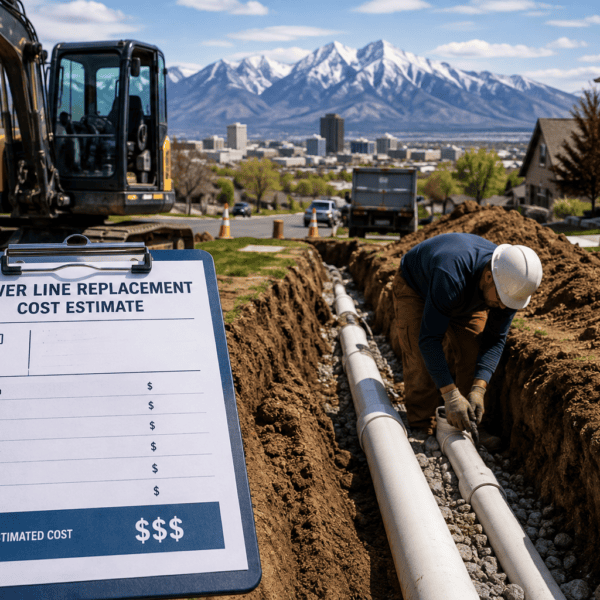
Here’s the truth: trenchless sewer replacement cost isn’t something you can quote without understanding your specific situation. A hundred different factors affect the final price. This guide walks through what actually impacts cost. Understanding these factors helps you understand why quotes differ between contractors and what you’re actually paying for when you get a sewer-line replacement estimate.
Why Trenchless Costs More Per Foot
Trenchless technology sounds modern and efficient, and it is. But it costs more than traditional digging. The equipment is expensive and specialized. The training to use it properly takes time and experience. The technology itself solves real problems like preserving your yard, but you’re paying for that solution. Pipe-bursting cost reflects this technological expense that traditional digging doesn’t have.
Think of it this way: trenchless is more expensive per linear foot, but you often end up spending the same or less total money because you eliminate excavation, restoration, and related costs. A traditional dig requires digging a huge trench, which costs money. Backfilling costs money. Restoring your yard costs money. Trenchless requires none of that. So you’re trading higher per-foot material and labor costs against lower overall project costs when you factor everything in.
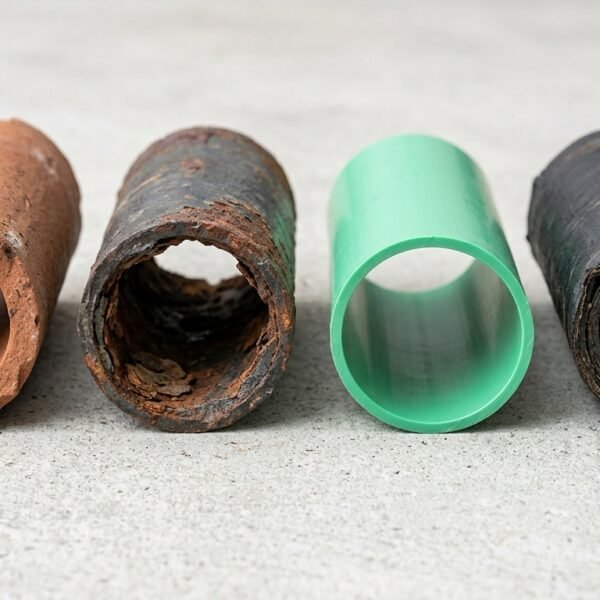
No-dig sewer repair cost varies between different trenchless methods. Pipe lining costs different than pipe bursting. Both are trenchless but the technology and labor differ, which affects price. Understanding these differences helps you understand why your estimate looks the way it does.
Linear Foot Pricing Explained
The primary cost driver for sewer line work is length. Contractors quote linear-foot pricing because longer lines require more material and more time. A hundred-foot line costs differently than a two-hundred-foot line. This seems obvious but it’s the foundation of how sewer pricing works. Understand your line length and you’re halfway to understanding your cost.
Sewer-line replacement estimate starts with length measurement from your house to the city connection point. Shorter lines equal lower costs. Longer lines equal higher costs. The difference between a short line and a long line can easily be five thousand dollars or more. This is why getting an accurate measurement or camera inspection showing exact line length matters so much.
Some properties have complicated line routing that adds extra length. Your line might not go straight from house to street. It might go around obstacles, under driveways, or around utility lines. These routing complications increase length, which increases cost. Get the exact length from a professional camera inspection before assuming what your cost will be.
Pipe Depth Affects Equipment Needs
How deep your sewer line runs matters significantly for cost. A shallow line at three or four feet is easier to access than a line buried eight or ten feet deep. Deeper lines require more specialized equipment. Deeper access points take more work to dig and maintain. Pipe depth becomes a cost multiplier the deeper you go.
Salt Lake City properties vary significantly in how deep sewer lines are installed. Some older areas have shallow lines from older installation standards. Newer construction often goes deeper to meet current code requirements. Depth isn’t something you choose, it’s just how your property was built. But understanding it helps explain cost differences between your property and a neighbor’s similar-sized property.
Very shallow lines under three feet might cost less than average. Very deep lines over eight feet cost more than average. Sewer access points also need to be deep enough to safely work, which adds cost if access is particularly deep or difficult to reach.
Soil Conditions And Local Geology
Salt Lake City’s soil composition affects sewer work costs. Harder soil, clay, or rock requires different excavation approaches than softer soil. Soil conditions that make digging harder increase labor time and equipment requirements. A trench through soft soil is faster than breaking through hardpan or clay layers that are common in some Salt Lake areas.
Some properties have excellent soil that’s easy to work with. Others hit rock or difficult clay that slows everything down. Contractors learn the general soil patterns in different Salt Lake neighborhoods, but your specific property might have surprises underground. This is where surprises cost money.
Weather also matters. Winter work in Salt Lake is harder than summer work because frozen ground is tougher. Contractors often charge seasonal premiums for winter sewer work because conditions are more difficult. Spring and fall are usually better times cost-wise because weather cooperates better.
Sewer Access Challenges
Your sewer line needs access points for camera inspection and for equipment to work. Easy access points reduce cost. Difficult access points increase cost. If your cleanout is buried under concrete or landscape features that need removal, that adds cost. If your line runs under a building or major structure, accessing it becomes complicated and expensive.
Sewer access that requires excavating through paved surfaces costs more than access through grass. A cleanout under your driveway requires cutting concrete, working around it, and restoring it afterward. A cleanout in open yard is much cheaper to work with. Multiple access points needed for the repair also increase costs compared to situations where one or two points are sufficient.
Some properties have generous space and clear access. Others have tight yards, building placements, or underground utilities everywhere that complicate access. These complications drive costs up because contractors need more time and more careful maneuvering to avoid hitting utilities or causing unnecessary damage.
Permit Expenses And Local Costs
Salt Lake City and surrounding areas have permit expenses that vary by jurisdiction. Your specific city or county determines what permits are required and what they cost. Some areas are more expensive to get permits than others. Some require inspection at specific points which adds time and cost.
Material costs also vary based on location and current supply conditions. Salt Lake City contractors pay certain material costs that might differ slightly from rural areas nearby. Equipment rental costs for specialized trenchless machinery vary based on availability and demand in your specific area.
These costs aren’t something contractors can control individually. They’re factoring in real expenses that exist in Salt Lake City’s market. Different contractors might have slightly different access to materials and equipment, which can create small price differences, but the range is usually pretty consistent across reputable contractors.
What Excavation Savings Actually Means
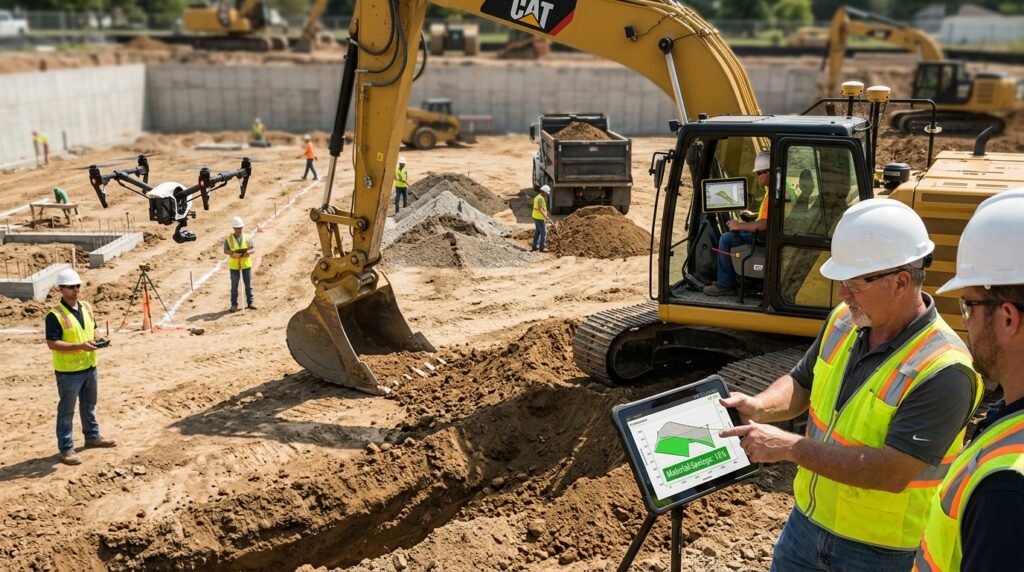
When contractors talk about excavation savings with trenchless methods, they mean your yard doesn’t get torn apart. This saves money on restoration like replanting, new sod, driveway repair, and other restoration costs that traditional digging requires. These savings can easily equal or exceed the higher per-foot cost of trenchless technology.
Calculate true total project cost, not just per-foot cost. If traditional digging would cost twelve thousand dollars including restoration and trenchless costs fourteen thousand dollars without restoration, trenchless might actually be cheaper or at least equal in total cost. Add in the value of your yard not being destroyed and the timeline being faster, suddenly trenchless looks better.
However, if your property has minimal landscaping to restore anyway, the excavation savings doesn’t help your bottom line as much. A property with hardscape and mature landscaping sees bigger excavation savings than a property with bare dirt and grass that’s easy to restore.
Getting Realistic Cost Estimates
Any contractor quoting sewer line work should ask for camera inspection first. They’re looking at your actual line, not guessing. They want to know depth, length, condition, and access. A good sewer-line replacement estimate is based on this actual information, not rough guesses. Free estimates should include site inspection at minimum.
Estimates should break down costs by component. Equipment cost. Material cost. Labor cost. Permits. Any fees specific to your situation. You should understand what you’re paying for, not just get a total number with no detail. Detailed estimates help you compare between contractors and understand value.
Get multiple estimates from different contractors. Prices will vary but they shouldn’t be drastically different if based on the same site conditions. Extremely low estimates might mean something’s wrong with the assessment. Extremely high estimates might mean unnecessary extras are included. Reasonable middle-range estimates from experienced contractors are usually your safest bet.
Frequently Asked Questions About Trenchless Sewer Costs
What’s the average trenchless sewer replacement cost in Salt Lake City?
Trenchless sewer replacement cost typically ranges from ten thousand to twenty thousand dollars for average residential properties in Salt Lake City, depending on line length, depth, and access. Shorter shallower lines with good access cost less. Longer deeper lines with difficult access cost more. Get a site-specific estimate based on your actual property rather than relying on averages that might not apply to your situation.
How much does pipe bursting cost compared to pipe lining?
Pipe-bursting cost is usually similar to or slightly higher than pipe lining in Salt Lake City. Both are trenchless but use different equipment and technology. Pipe lining might be slightly cheaper but pipe bursting handles more situations effectively. Cost difference is usually not the deciding factor. Choose based on what actually solves your specific problem, not which costs slightly less.
What factors make trenchless sewer work more expensive?
Pipe depth, line length, soil conditions, and difficult sewer access all increase costs. Lines running deeper cost more than shallow lines. Longer lines cost more than short lines. Hard soil costs more than soft soil. Limited access points or access under concrete costs more than easy open-yard access. Multiple complications stacking up can significantly increase total project cost.
Is trenchless always cheaper than traditional digging when you factor everything in?
Not always, but often yes. No-dig sewer repair cost is higher per foot, but you eliminate excavation and restoration costs. For properties with valuable landscaping or paved surfaces, trenchless saves money overall. For properties with minimal landscaping, traditional might be cheaper total cost. Contractors should help you compare true total cost for both methods.
How accurate are sewer replacement estimates before actual work starts?
Detailed estimates based on camera inspection are usually within ten to fifteen percent of actual final cost. Rough estimates without inspection can be off by much more. Surprises underground sometimes add costs. Soil conditions, utility conflicts, or line condition worse than expected can increase final cost beyond estimate. Good contractors build some buffer into estimates to account for reasonable contingencies.
What affects linear foot pricing in Salt Lake City specifically?
Salt Lake City’s soil composition, frost depth for winter work, local permit costs, and market rates for equipment rental all affect linear-foot pricing. Contractors pricing work in Salt Lake factor these local conditions into their per-foot rates. This is why a Salt Lake City contractor’s pricing might look different than a contractor in a different region, even for identical work.