Running a restaurant means your sewer line takes a beating every single day. Grease, food waste, constant water use. It’s not like a house where the line just handles normal household stuff. Your commercial kitchen sewer line deals with volume and grease that residential lines never see. Eventually, that line wears out or fails completely.
Sewer line replacement for restaurants Utah owners deal with is different from a typical home replacement job. You can’t just shut down for a week while work happens. You’ve got staff to pay. Customers expecting to eat. Revenue that stops the second your kitchen can’t operate. This guide walks through what actually matters when you’re facing restaurant sewer repair or full replacement, and how to handle it without destroying your business in the process.
Why Restaurant Sewer Lines Fail Faster
Grease is the main enemy here. Every restaurant produces grease from cooking. That grease goes down your drains whether you want it to or not. Over time, grease buildup coats the inside of your pipes. It hardens. It narrows the pipe diameter. Eventually, flow gets restricted enough that you’re dealing with backups and slow drains regularly.
Most restaurants have a grease interceptor installed specifically to catch grease before it enters the main sewer line. But interceptors only work if they’re maintained properly. If they’re not pumped and cleaned on schedule, grease gets past them and into your line anyway. Even with a good interceptor, some grease always makes it through over the years. This is just the nature of running a commercial kitchen.
Commercial kitchen drains also deal with more debris than typical drains. Food particles, oils, cleaning chemicals, all of it goes down your drains constantly throughout service. This volume and variety of waste puts more stress on your pipes than a house ever would. Add in the age of many restaurant buildings in Utah, and you’ve got a recipe for lines that need replacement sooner than residential properties.
Signs Your Restaurant Needs Line Replacement
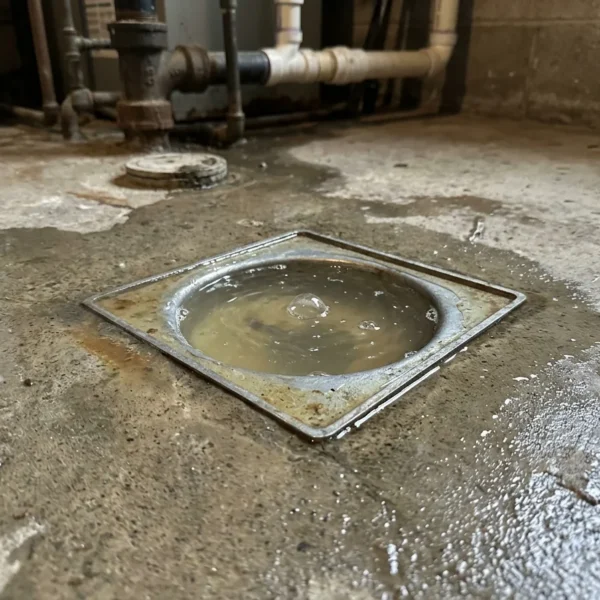
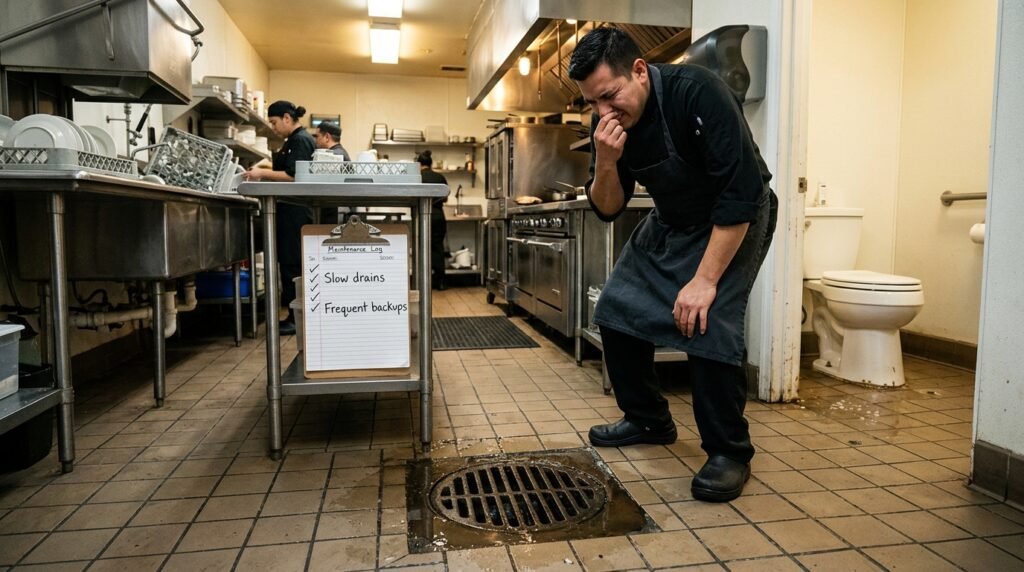
Floor-drain backups are usually the first sign something’s seriously wrong. If your floor drains are backing up during service, especially during busy periods, that’s your line telling you it’s struggling. One backup might be a simple clog. Repeated backups mean the line itself has a problem that cleaning won’t fix.
Slow drainage throughout your kitchen is another warning sign. If multiple sinks and drains are draining slowly at the same time, that’s not isolated. That’s your main line struggling to handle flow. You might be cleaning your grease interceptor regularly and still seeing this problem. That tells you the issue is further down the line, not just at the interceptor.
Sewage odors in your kitchen or dining area mean something is wrong with your line’s integrity. This isn’t just unpleasant. It’s a health code issue. Health inspectors will flag this immediately. If you’re smelling sewage, you need professional assessment right away, not just air freshener and hoping it goes away on its own.
Understanding Restaurant Downtime Impact
Restaurant downtime costs money every single hour. Unlike a house where you can work around a family’s schedule, a restaurant has fixed hours where revenue is generated. Every hour your kitchen can’t operate during those hours is direct lost revenue. This isn’t like losing productivity at an office. This is customers walking away, staff not getting scheduled hours, and reviews complaining about closures.
The real cost isn’t just the repair bill. It’s the lost revenue during closure. It’s staff wages if you’re paying people who can’t work. It’s the reputation hit from unexpected closures, especially if customers show up and find you closed with no warning. A poorly planned sewer line replacement can cost more in lost business than the actual repair work itself.
This is why planning matters so much for restaurant sewer repair. You need a restaurant sewer contractor who understands your business isn’t like a residential job. They need to work with your schedule, not against it. Random scheduling that doesn’t account for your service hours creates unnecessary financial damage.
Working With A Restaurant Sewer Contractor
Not every plumbing contractor understands restaurant operations. A good restaurant sewer contractor knows that timing matters as much as the actual repair work. They should be willing to discuss your service hours and work around them instead of just showing up whenever convenient for their schedule.
After-hours sewer service is often the answer for restaurants. Working overnight or during your closed hours means the repair happens without affecting your service. Yes, this might cost more than daytime work. But compare that extra cost to a full day of lost revenue during peak hours. Usually the math works out in favor of after-hours work, especially for busy restaurants.
Ask potential contractors directly about their experience with food-service plumbing repair. Have they worked with restaurants before? Do they understand grease interceptor systems? Can they work around your specific hours? A contractor who’s done plenty of residential work but never touched a commercial kitchen might not understand the urgency and specific challenges you’re facing.
Planning Your Replacement Timeline
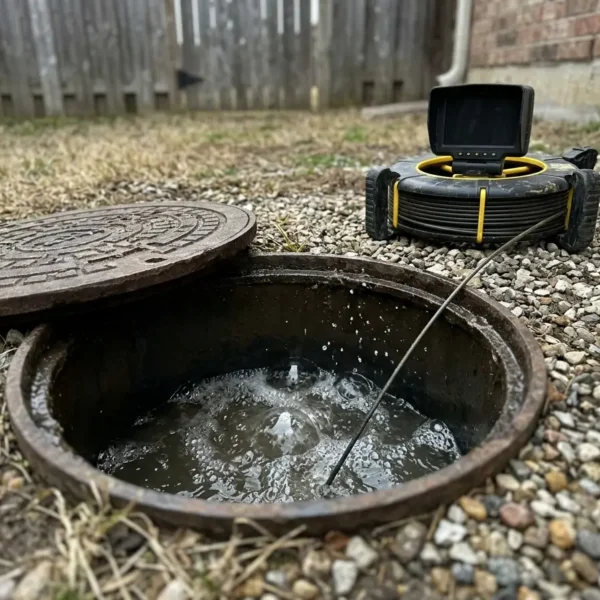
Start planning before you’re in crisis mode. If you’re seeing warning signs like slow drains or occasional backups, don’t wait until complete failure to start looking for a contractor. Get a camera inspection done to see exactly what condition your line is in. This gives you time to plan rather than scrambling during an emergency.
Discuss timeline options with your contractor. Can the work be done during your closed days if you have any? Can it be split into phases so you’re never fully closed? Some replacement methods allow partial operation while work continues in sections. Others require complete shutdown. Understanding your options before committing helps you choose the approach that minimizes damage to your business.
Consider timing around your slower seasons if possible. If your restaurant has predictable slow periods, that’s often the smartest time to schedule major work. Less revenue lost during slower times compared to disrupting your busiest season. Plan ahead enough that you’re not forced into emergency replacement during your peak business period.
Grease Interceptor Maintenance Prevention
The best way to avoid premature line replacement is maintaining your grease interceptor properly. Regular pumping and cleaning keeps grease from building up in your main line. Most health codes in Utah require regular interceptor maintenance, but many restaurants push maintenance schedules further than they should to save money.
Set a strict maintenance schedule for your interceptor and stick to it. Don’t wait until it’s overflowing or causing problems. Regular maintenance costs money, yes, but it’s far cheaper than premature sewer line replacement caused by years of grease buildup that could have been prevented.
Train your staff on proper grease disposal too. Pouring grease directly down drains, even with an interceptor, adds unnecessary stress to your system. Scraping plates properly before washing, using grease traps at prep stations, and educating kitchen staff on proper disposal all reduce the load on your main sewer line over time.
What Replacement Actually Involves
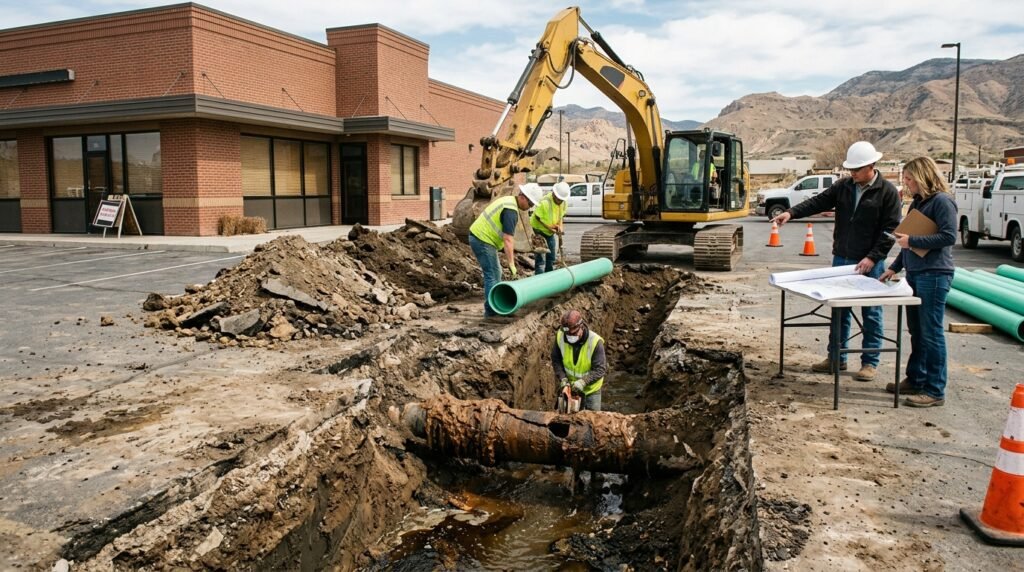
Once you’ve decided replacement is necessary, the process itself isn’t drastically different from residential replacement, just done at commercial scale. Camera inspection first to understand exactly what needs replacing. Then choosing between trenchless methods or traditional excavation depending on your specific situation and building layout.
Commercial kitchen sewer line replacement often involves larger diameter pipe than residential work because of the volume restaurants generate. Your contractor needs experience with these larger commercial lines, not just residential sized replacement work. The materials and methods might be similar but the scale and specifications differ.
Expect the actual work to take longer than a typical house replacement because commercial lines often run longer distances and deal with more complex layouts, especially in older buildings that have been renovated multiple times for different restaurant tenants over the years.
Frequently Asked Questions About Restaurant Sewer Line Replacement
How much does restaurant sewer line replacement cost in Utah?
Commercial sewer line replacement typically costs more than residential because of larger pipe diameter and more complex commercial building layouts. Expect costs ranging from twelve thousand to thirty thousand dollars depending on line length, depth, and whether trenchless or traditional methods are used. Get quotes from contractors experienced with restaurant sewer repair specifically since they understand commercial requirements better than general residential plumbers.
Can the work be done without closing my restaurant?
Sometimes, depending on your specific situation. After-hours sewer service during your closed hours is often the best solution. Some trenchless methods allow work to happen with minimal disruption to daily operations. Discuss options with your contractor about phasing the work or scheduling around your business hours. Complete shutdown isn’t always necessary but depends on the extent of damage and access points needed.
How can I prevent needing sewer line replacement from grease buildup?
Regular grease interceptor maintenance is essential. Pump and clean it on schedule, not just when it’s overflowing. Train staff on proper grease disposal. Don’t pour grease directly down drains even with an interceptor installed. Regular camera inspections catch problems early before they require full replacement. Prevention costs far less than emergency replacement.
What are the warning signs I need line replacement, not just cleaning?
Floor-drain backups happening repeatedly, not just once. Slow drainage throughout multiple kitchen drains simultaneously. Sewage odors in your kitchen or dining area. If you’re cleaning your grease interceptor regularly but still seeing these problems, the issue is likely in your main line itself, not just grease at the interceptor level.
Why does restaurant sewer work cost more than residential?
Commercial kitchen sewer line systems handle more volume and more grease than residential lines. This requires larger pipe diameter and more robust installation. Commercial contractors need experience with these systems specifically. Timing requirements around your business hours, especially after-hours sewer service, also adds cost compared to standard daytime residential work.
How do I find a contractor who understands restaurant needs?
Ask directly about their experience with food-service plumbing repair and commercial kitchens specifically. Ask if they understand grease interceptor systems. Discuss their willingness to work around your business hours instead of standard daytime scheduling. A restaurant sewer contractor with commercial experience understands the urgency and financial impact of restaurant downtime in ways general residential plumbers might not.